From heavy industry to aerospace engineering, modern manufacturing places increasingly higher demands on welding reliability, strength, and stability. With the rise of intelligent manufacturing, high-performance welding consumables have become critical to improving structural integrity, safety, and long-term durability in industrial projects. This article focuses on engineering-grade welding materials supporting demanding environments and mission-critical applications.
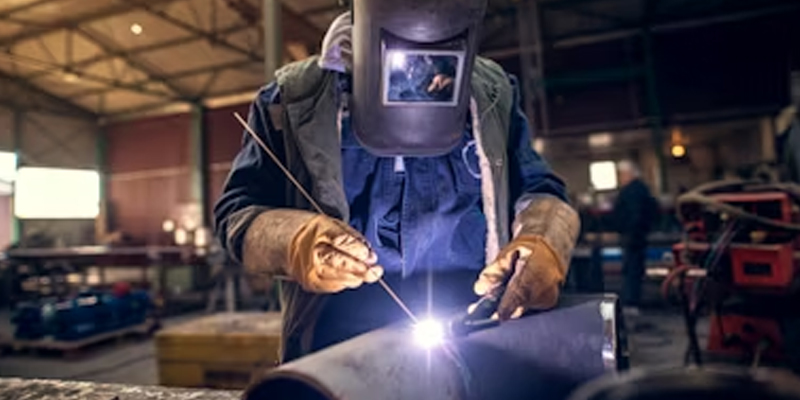
Structural Steel & Pressure Equipment — Reliable Strength for Critical Applications
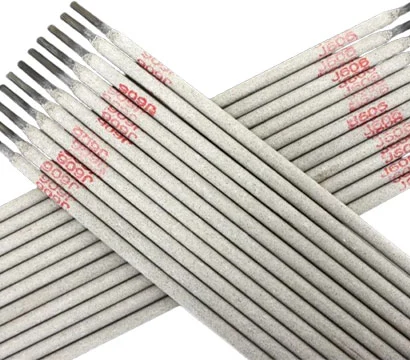
Structural components and pressure equipment require strict compliance with engineering standards. Welding electrodes like e5016 deliver deep penetration, consistent arc stability, and strong mechanical strength, making them ideal for high-load environments.
Similarly, industrial standards such as e9018 g electrode specification help ensure consistent quality performance, particularly in low-temperature and high-strength structures.
Structural Welding Application Overview
| Application Area | Welding Focus | Key Performance Requirement |
|---|
| Heavy Structures | Strength & Impact Resistance | Stable Mechanical Properties |
| Pressure Vessels | Crack Resistance | Reliable Weld Integrity |
| Infrastructure | Long-Term Durability | Environmental Adaptability |
Nickel-Based Welding Materials for Harsh & Corrosive Environments
Industries such as petrochemicals, offshore platforms, and power systems operate in extreme environments. Nickel-based materials like enicrmo 6 offer excellent corrosion resistance and metallurgical stability.
Meanwhile, advanced consumables such as enicrmo3t1 4 are widely used for complex joints, dissimilar materials, and high-temperature industrial conditions.
Nickel Alloy Welding Material Benefits
| Material | Strength Feature | Ideal Application |
|---|
| enicrmo 6 | High Temperature Stability | Chemical / Energy |
| enicrmo3t1 4 | Complex Weld Adaptability | Aerospace / Special Engineering |
Low-Temperature & Stainless Steel Welding Solutions
Cold environments demand exceptional structural reliability. Specifications like e8018 c3 electrode specification provide engineering guidance for low-temperature performance.
In stainless steel fabrication, er309lmo helps improve corrosion resistance and crack resistance, ensuring long-term stability under demanding industrial conditions.
Engineering Perspective — Material Selection Strategy
When selecting welding consumables, consider:
Working temperature
Structural stress level
Corrosion exposure
Compliance standards
Lifecycle cost
As global industries advance toward higher standards, advanced welding materials will continue enabling safer, smarter, and more sustainable manufacturing development.