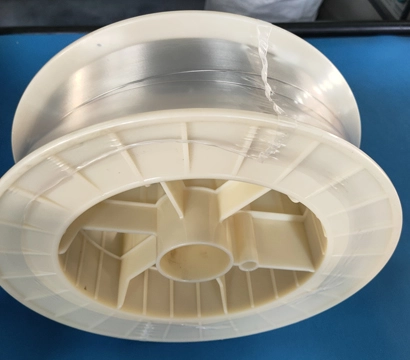
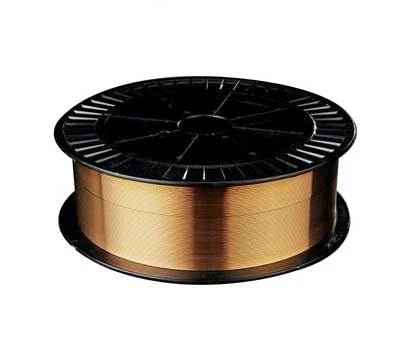
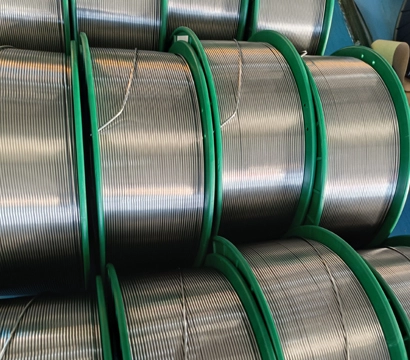
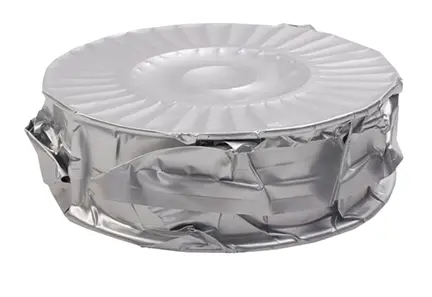
Find Solid Welding Wire by Base Material
| Base Material | Recommended Wire Category | Typical Products | Explore |
| Stainless Steel | Austenitic, stabilized and duplex stainless steel filler wires | ER308L, ER316L, ER321, ER2209, ER2594 | Stainless steel solid welding wire |
| Aluminum Alloys | Aluminum-magnesium and aluminum-copper filler wires | 5356, 5183, 5087, ER2319 | Aluminum alloy welding wire |
| Nickel Alloys | Nickel and nickel-chromium alloy filler wires | ERNi-1, ERNiCr-3, ERNiCrMo-3 | Nickel alloy solid welding wire |
| Copper Alloys | Bronze and copper-alloy filler wires | CuSn10, ERCuAl-A1, CuMn13Al7 | Copper alloy welding wire |
| Cobalt Alloys | Cobalt-based wear- and heat-resistant wires | Co 1, Co 6, Co 12, Co 21 | Cobalt alloy solid welding wire |
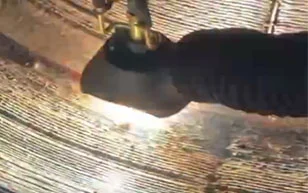
| Surface Coating | Wire for selected arc thermal spraying applications | According to coating requirement | Arc thermal spraying wire |
MIG vs TIG vs Submerged Arc Solid Welding Wire
| Welding Process | Typical Wire Form | Main Advantages | Typical Applications | Selection Focus |
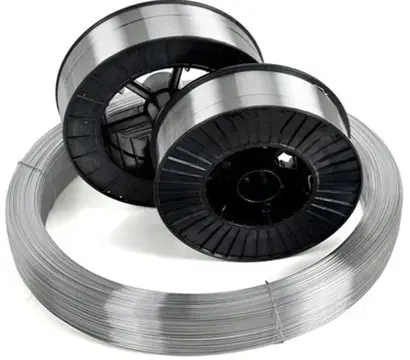
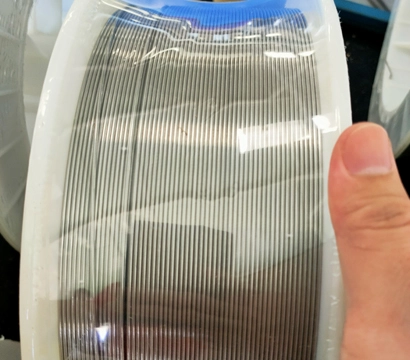
| MIG/MAG / GMAW | Continuous spool or drum wire | High productivity and automated feeding | Fabrication, automotive, stainless and aluminum welding | Wire diameter, shielding gas, feedability, transfer mode |
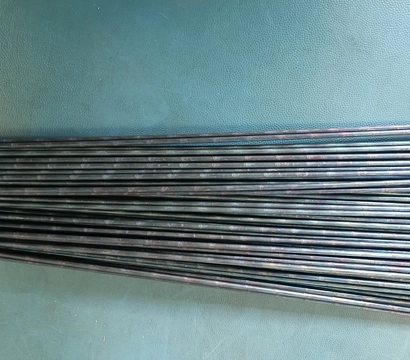
| TIG / GTAW | Straight filler rod or compatible wire form | Precise heat and filler control | Stainless steel, nickel alloys, aluminum and precision joints | Alloy match, rod diameter, cleanliness |
| Submerged Arc Welding | Continuous solid wire with flux | High deposition and deep penetration | Heavy fabrication and selected alloy applications | Wire-flux combination, heat input, mechanical properties |
| Thermal Spraying | Continuous spraying wire | Surface coating rather than fusion joining | Wear and corrosion protection | Coating chemistry and spray equipment |
Solid Welding Wire vs Flux Cored Welding Wire
| Factor | Solid Welding Wire | Flux Cored Welding Wire |
| Wire Construction | Solid metal wire | Tubular wire containing flux ingredients |
| Shielding | Usually requires external shielding gas for GMAW | Gas-shielded or self-shielded |
| Slag | Generally little or no slag | Usually produces slag |
| Deposition Rate | Moderate to high | Often higher depending on classification |
| Weld Appearance | Clean, smooth welds with correct settings | Depends on flux type and parameters |
| Outdoor Welding | Gas shielding can be wind-sensitive | Self-shielded FCAW may suit field work |
| Typical Use | Automated production, stainless, aluminum, alloy welding | Structural fabrication, field welding, hardfacing |
| Selection Basis | Alloy compatibility and process | Classification, shielding type, position and properties |
Solid wire and flux cored welding wire differ in wire construction, shielding requirements, deposition characteristics and typical working environments. Selection should be based on the welding process, application and required mechanical properties.
Solid Welding Wire for Industrial Applications
| Industry | Relevant Solid Wire Categories | Selection Priorities | Solution |
| Automotive | Stainless, aluminum and selected alloy wires | Automated feeding, thin sheet, productivity | Automotive Solution |
| Aerospace | Aluminum, nickel and stainless wires | Alloy matching, cleanliness, traceability | Aerospace Solution |
| Shipbuilding | Stainless, nickel and copper-alloy wires | Corrosion, toughness, marine environment | Shipbuilding Solution |
| Pressure Vessel | Stainless and nickel alloy wires | WPS, corrosion, PWHT, mechanical properties | Pressure Vessel Solution |
| Petrochemical | Stainless, duplex and nickel alloy wires | Pitting, SCC, process media, temperature | Relevant Solution |
| Appliance | Stainless, aluminum and copper alloy wires | Thin sheet, appearance, automation | Appliance Solution |
How to Select the Right Solid Welding Wire
| Selection Factor | What to Confirm |
| Base Metal | Exact alloy grade |
| Welding Process | MIG/MAG, TIG or SAW |
| AWS Classification | Required filler classification |
| Shielding Gas | According to process and wire grade |
| Mechanical Properties | Strength and elongation |
| Corrosion Resistance | Service medium and environment |
| Service Temperature | Ambient, cryogenic or elevated temperature |
| Wire Form | Spool, drum or TIG rod |
| Documentation | TDS, COA and batch report |
For titanium-stabilized 321 stainless steel applications, review the ER321 stainless steel welding wire specification to compare the product composition, available sizes and welding requirements with other stainless steel filler grades.
Choosing Aluminum Welding Wire
Aluminum filler selection depends on the exact base-alloy series, required strength, crack sensitivity, corrosion resistance and post-weld processing. Buyers comparing common filler alloys can review the ER4043 vs ER5356 aluminum welding wire selection guide.
The required product form also depends on the welding process. Read our guide to aluminum welding rod vs aluminum welding wire when comparing TIG filler rods with continuous spool wire.
Solid Welding Wire FAQ
What types of solid welding wire does Minghua supply?
Minghua supplies solid welding wires for stainless steel, aluminum alloys, nickel alloys, copper alloys and cobalt alloys. Available products are intended for MIG/MAG, TIG and selected industrial welding applications, depending on the alloy grade and product form.
The current range includes stainless steel grades such as ER308L, ER309L, ER316L, ER321, ER2209 and ER2594, as well as selected aluminum, nickel, copper and cobalt alloy filler metals. Buyers should confirm the exact classification, diameter and available product form before ordering.
What is the difference between solid welding wire and flux cored welding wire?
Solid welding wire is made from a continuous solid metal alloy and is commonly used with an external shielding gas in MIG/MAG welding. TIG filler metals may also be supplied as straight rods or other compatible product forms.
Flux-cored welding wire has a tubular structure containing flux ingredients. Depending on the classification, it may be gas-shielded or self-shielded and generally produces slag during welding.
Solid wire is commonly selected for clean weld appearance, stable automated feeding and alloy-specific applications, while flux-cored wire may provide higher deposition rates and broader positional or field-welding capabilities depending on the classification.
Can the same solid welding wire be used for both MIG and TIG welding?
Not always. The alloy classification may be chemically similar, but the required product form can be different.
MIG/MAG welding generally uses continuous wire supplied on a spool or drum, while TIG welding commonly uses straight filler rods or compatible wire forms. Availability depends on the specific alloy grade and Minghua’s actual product range.
Buyers should confirm:
* Alloy classification
* Wire or rod form
* Diameter
* Welding process
* Shielding gas
* Packaging format
Do not assume that every solid welding wire product is automatically available for both MIG and TIG welding.
How do I choose the correct solid welding wire?
Start by confirming the exact base-metal grade and welding process. Then evaluate the required filler-metal classification, shielding gas, wire diameter, mechanical properties and service environment.
Important selection factors include:
* Base-metal composition
* AWS, EN or ISO classification
* MIG/MAG, TIG or SAW process
* Shielding gas
* Required tensile and yield strength
* Corrosion resistance
* Service temperature
* Post-weld heat treatment
* Machining or finishing requirements
For critical applications, the filler metal should be selected according to the approved WPS and applicable project specification.
What is the difference between ER308L, ER316L and ER321 welding wire?
ER308L is commonly selected for welding 304 and related austenitic stainless steels.
ER316L contains molybdenum and is generally selected when improved resistance to pitting and corrosion is required, particularly for 316-series stainless steels.
ER321 is a titanium-stabilized stainless steel filler metal used for selected 321 stainless steel applications where elevated-temperature service and stabilization requirements are important.
The correct filler wire should be selected according to the exact base-metal grade, corrosion environment, service temperature and applicable welding procedure.
Which aluminum welding wire should I choose?
Aluminum filler-wire selection depends on the base-alloy series, required strength, crack sensitivity, corrosion resistance, anodizing requirements and service condition.
For example, aluminum-magnesium filler wires are commonly considered for selected 5xxx-series aluminum applications, while aluminum-silicon filler metals may be selected for other aluminum alloy systems.
Buyers should provide the exact aluminum base-metal designation rather than selecting a filler wire only by wire diameter or price.
How do I choose a stainless steel solid welding wire?
The filler metal should normally be matched to the stainless steel base grade and required service performance.
Buyers should confirm:
* Stainless steel grade
* Similar or dissimilar-metal joint
* Corrosion environment
* Operating temperature
* Required ferrite level, where applicable
* Shielding gas
* Welding process
* Post-weld treatment
For example, 304-series, 316-series, 321 stainless steel and duplex stainless steels may require different filler classifications.
What shielding gas is used with solid welding wire?
The required shielding gas depends on the base material, wire classification and welding process.
Common shielding-gas systems may include:
* Argon
* Argon and CO₂ mixtures
* Argon and O₂ mixtures
* Helium-containing mixtures
* Other process-specific gas combinations
Aluminum, stainless steel, nickel alloy and carbon steel wires may require different shielding gases.
Always follow the product TDS, welding-machine requirements and approved WPS rather than using one shielding gas for every solid wire.
What wire diameters are available?
Available diameters depend on the specific alloy classification and product form.
MIG/MAG wires may be available in spool or drum formats, while TIG filler metals may be supplied as straight rods. Different alloy grades may have different standard diameter ranges.
Customers should provide the required classification, welding process, diameter and packaging type in the RFQ so Minghua can confirm current availability.
Can solid welding wire be used for automated and robotic welding?
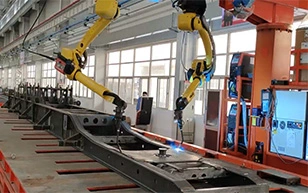
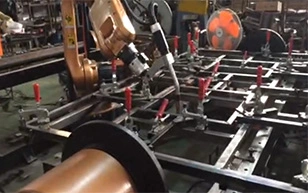
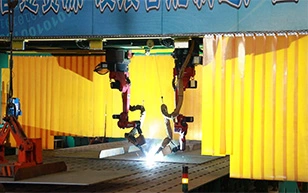
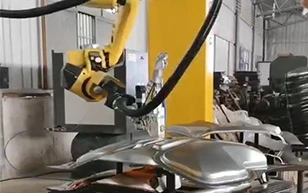
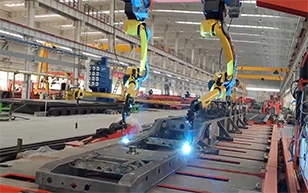
Selected solid welding wires are suitable for automated and robotic welding applications because continuous wire feeding can support stable, repeatable production.
However, successful automated welding also depends on:
* Wire diameter consistency
* Surface cleanliness
* Spool winding quality
* Feedability
* Contact-tip compatibility
* Welding parameters
* Shielding-gas stability
The exact wire grade and packaging format should be selected according to the robotic or automated welding system.
Can Minghua provide TDS, COA and batch test reports?
Technical and quality documents may be available depending on the specific product, order and customer requirements.
Available documents may include:
* Technical Data Sheet
* Chemical composition report
* Mechanical property report
* Certificate of Analysis
* Batch inspection report
* Product catalog
* Third-party inspection documents
The exact document package should be confirmed with Minghua before placing an order. Customers with project-specific certification or inspection requirements should include them in the RFQ.
Does Minghua provide OEM or private-label packaging?
OEM or private-label packaging may be available for selected solid welding wire products, subject to the alloy grade, spool or rod format, packaging design and order quantity.
Customers should provide:
* Brand name
* Label artwork
* Packaging language
* Spool, drum or rod package requirement
* Carton marking
* Destination-country requirements
* Required quantity
Final availability should be confirmed according to the specific product and production arrangement.
What is the MOQ for solid welding wire?
The minimum order quantity depends on the alloy classification, wire diameter, product form, packaging method, stock availability and whether customized production or private-label packaging is required.
A fixed MOQ should not be published unless it applies consistently to the product category. Minghua can confirm the MOQ after receiving the exact grade, diameter, packaging and destination information.
What information should I include in a solid welding wire RFQ?
To receive a more accurate recommendation and quotation, provide:
* Base-metal grade
* Required AWS, EN or ISO classification
* Welding process
* Wire or rod form
* Required diameter
* Shielding gas
* Required mechanical properties
* Service temperature
* Corrosion conditions
* Post-weld heat-treatment requirements
* Spool, drum or straight-rod requirement
* Packaging requirements
* Order quantity
* Destination country
* Required delivery date
Providing an existing WPS, TDS, drawing or project specification can help Minghua evaluate the application more accurately.