E-mail
en
Cast Iron Welding Rod

Cast Iron Welding Rod

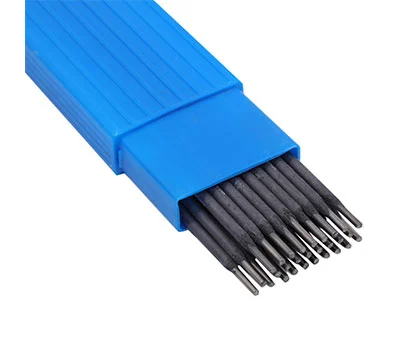
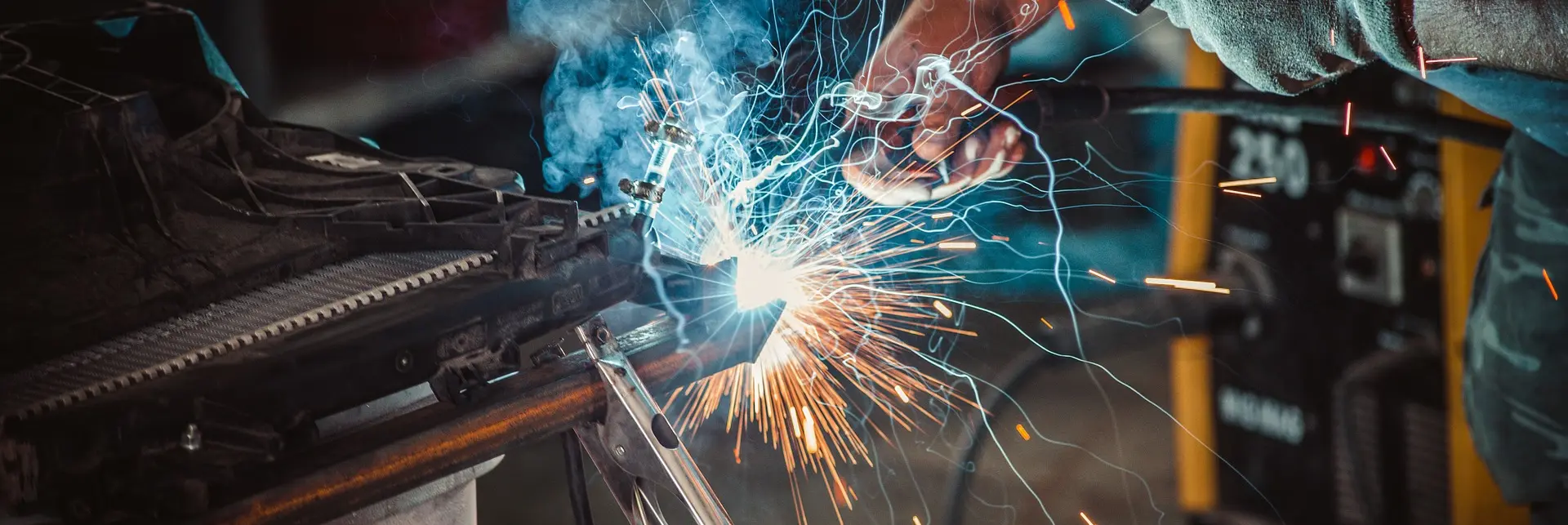
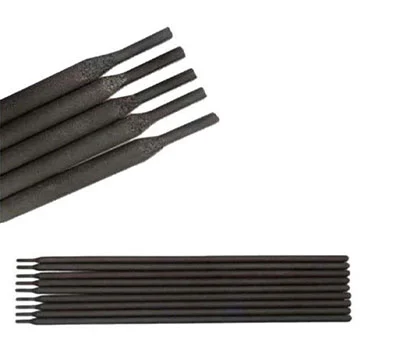
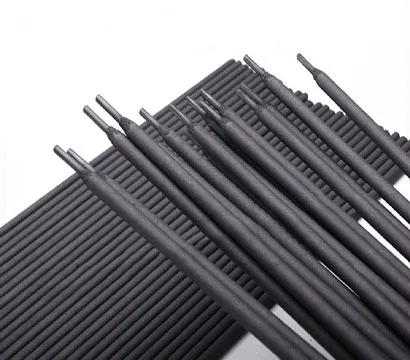
Cast Iron Welding Rods are specifically designed for welding and repairing cast iron materials, offering excellent compatibility with various cast iron grades. These cast iron tig rods facilitate strong, durable joints while minimizing the risk of cracking and distortion. Ideal for applications in automotive, machinery, and pipe repair, Minghua's bulk welding rods ensure reliable performance in challenging environments.


Get a Quote

Cast Iron Welding Rod Types

Common Mistakes to Avoid When Using Cast Iron Welding Rod

Ignoring Base Material Properties

Not considering the specific properties of the copper being welded can lead to unsuitable welding conditions, resulting in weak joints or defects.

01
Using the Wrong Filler Material

Choosing a filler wire that is incompatible with the base copper material can hinder the weld's integrity and performance.

02
Inadequate Cooling Time

Not allowing sufficient cooling time between welding passes can lead to thermal stresses and cracking, especially in thicker sections.

03
Failing to Control Welding Speed

Inconsistent or excessive welding speed can lead to poor fusion and inadequate penetration, resulting in weak welds.

04
Omitting Post-Weld Treatments

Neglecting to perform necessary post-weld treatments, such as annealing, can leave the weld susceptible to stress and brittleness.

05
Neglecting Personal Safety Equipment

Not using appropriate personal protective equipment (PPE) can expose welders to harmful fumes and UV radiation, compromising their safety.

06

Technical Comparison: Hot Welding vs. Cold Welding of Cast Iron

When repairing heavy industrial castings, engineers must decide between Hot Welding and Cold Welding methodologies. Selecting the correct thermal process directly impacts your choice of cast iron rod number and dictates the final structural integrity of the repair.

Technical MetricHot Welding MethodCold Welding Method
Preheating Temperature500℃ - 700℃ (High thermal energy input)Room temperature or low preheat (< 100℃)
Recommended RodZ208 (Graphitic Steel Core Consumable)Z308 (Pure Nickel) or Z408 (Ni-Fe Alloy)
Cooling RequirementsUltra-slow cooling in a furnace or sand blanketShort, staggered beads with immediate peening
Best Used ForMassive foundry defect fills & non-machinable castingsPrecision maintenance, automotive blocks, on-site repairs

Choosing the Right Method for Your Workshop

The Hot Welding Approach: By maintaining the workpiece at a cherry-red heat, this method completely eliminates the hard, brittle martensitic structure in the heat-affected zone (HAZ). It allows for the use of economical graphitic steel-core rods like Z208 for heavy foundry reclamation. For these long-duration, high-temperature thermal projects, using a heavy-duty power source like the ZX7-500 MMA welding machine ensures consistent heat input and deep penetration control.


The Cold Welding Approach: This is the standard for modern field maintenance and precision automotive repairs (such as cracked engine blocks or gearboxes). By limiting the heat input and utilizing high-ductility nickel filler alloys (Z308 / Z408), you prevent structural distortion and allow the weld metal to stretch during cooling.


Technical Note for Multi-Material Workshops: While cold welding cast iron relies on strict rapid-cooling and intermittent peening to relieve tensile stresses, welding non-ferrous thermal alloys or stainless systems requires entirely different shielding and solidification parameters—as detailed in our guide on industrial ER321 stainless steel welding wire.

Cast Iron TIG & Stick Welding FAQ

How do I choose the correct cast iron rod number for my repair project?

The choice depends heavily on your strength and machining requirements. Choose Z308 if the weld seam needs to be drilled, milled, or machined afterward, as the pure nickel deposit remains soft. Select Z408 for heavy-duty structural applications requiring high load-bearing capacities. If you are executing structural field repairs on thick industrial frames using heavy sticks, pairing these consumables with a stable industrial power source like our ZX7-500 MMA welding machine ensures deep penetration and consistent thermal distribution.

Can I use TIG welding for cast iron repairs, and what filler rod is required?

Yes, TIG welding provides excellent localized heat control, which is vital for minimizing the heat-affected zone in iron castings. When performing TIG repairs, a dedicated cast iron tig filler rod (such as straight-cut lengths of Z308 or Z408 alloy wires) must be used under 100% pure Argon shielding gas. For operators also managing advanced alloy systems who want to compare ferrous and non-ferrous thermal behaviors, you can reference our technical guide on ER321 stainless steel welding wire.
Is preheating mandatory when using a tig rod for cast iron?

While some nickel-base electrodes allow for "cold welding" using very short beads, preheating cast iron to 200°C - 350°C is highly recommended for critical, thick-walled components. Preheating slows down the cooling rate, preventing the formation of brittle white iron structures along the fusion line.

Contact Us


Advance with The Times; Enjoy dividends of The Times.
Contact Us
+8615020018612 aliya@amhmachine.com
4 floors, building 3, zhongrun centry centre, No.12111 of jingshi road, lixia district, Jinan, Shandong, China
Follow Us
Contact Us
+8615020018612 aliya@amhmachine.com
4 floors, building 3, zhongrun centry centre, No.12111 of jingshi road, lixia district, Jinan, Shandong, China
Follow Us