2025-06-21
In today's fast-paced manufacturing environment, precision, consistency, and productivity are more important than ever. One of the most transformative innovations in this space is robot welding eq...
Read More

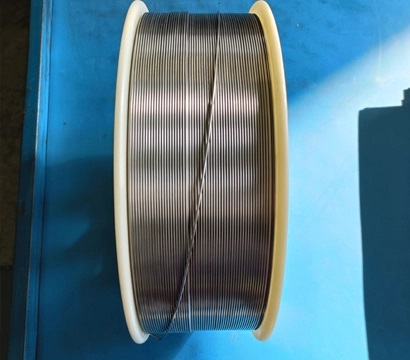
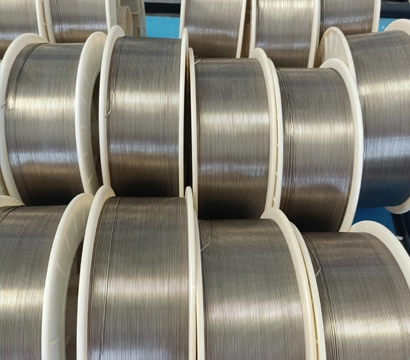
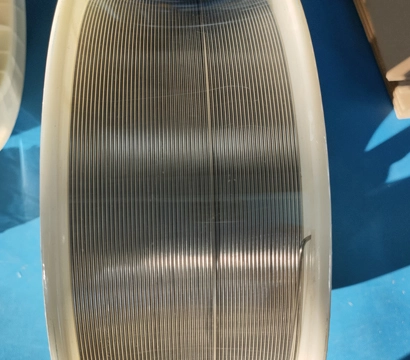
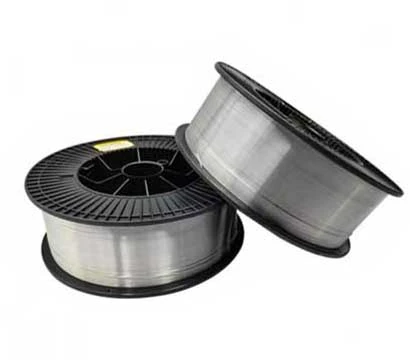
Alloy steel filler wire plays a vital role in welding applications across a wide range of industries. Its unique composition, which includes elements like chromium, nickel, and molybdenum, allows it to perform exceptionally well in harsh environments that require strong, durable, and high-quality welds. In this article, we will explore the various applications of alloy steel filler wire in different sectors.
In the automotive industry, alloy steel filler wire is essential for welding critical components such as chassis, engine parts, axles, and exhaust systems. The durability and strength provided by alloy steel are crucial in these applications, as car parts must withstand constant wear and high mechanical stress. The high tensile strength of the filler wire ensures that welded joints remain strong, even under extreme conditions such as heavy loads, vibrations, and temperature fluctuations.
Additionally, alloy steel filler wire is often used for welding parts exposed to high temperatures, such as turbocharger components and exhaust manifolds, where resistance to heat is paramount. The corrosion resistance offered by alloy steel further enhances the longevity of the welded joints in automotive applications.

The aerospace sector relies heavily on alloy steel filler wire for welding components that must endure extreme temperatures, mechanical stress, and harsh environments. Alloy steel filler wire is used to join critical parts of aircraft such as turbine blades, landing gear, and structural components. These parts must maintain high strength and integrity, even at high altitudes and in turbulent conditions.
Alloy steel filler wire offers high heat resistance, which is essential for turbine components that operate in environments with temperatures reaching over 1,000°C (1,832°F). Furthermore, the exceptional fatigue resistance of alloy steel ensures that welded joints in aerospace applications can withstand repetitive stresses without failure, making it a key material for long-lasting, high-performance aircraft.

In construction and infrastructure projects, types of flux core welding wire are frequently used to weld structural steel components that are subjected to heavy loads and environmental stresses. Welded joints in bridges, buildings, and towers require high strength and resistance to fatigue and corrosion. Alloy steel provides these qualities, ensuring that the structures remain stable and durable over time.
For example, alloy steel filler wire is used to weld steel beams, columns, and other structural elements in skyscrapers and bridges, where high tensile strength and fatigue resistance are crucial for maintaining the integrity of the structure. The wire's ability to resist corrosion is also essential in outdoor applications where parts are exposed to moisture, chemicals, and extreme weather conditions.

The energy sector is another area where alloy steel filler wire plays a significant role. It is commonly used in power plants, refineries, and oil and gas facilities for welding high-pressure pipelines, boilers, and heat exchangers. These components are exposed to extremely high temperatures, pressures, and corrosive environments, making the strength and durability provided by alloy steel filler wire essential for ensuring the reliability of these critical systems.
In power generation, alloy steel filler wire is used to weld steam turbines, pressure vessels, and piping systems that must handle high temperatures and mechanical stress. Its ability to resist thermal fatigue, corrosion, and wear ensures that these welded joints can operate safely and efficiently in demanding conditions for extended periods.

Manufacturers of heavy equipment, such as mining machinery, cranes, and construction vehicles, rely on alloy steel filler wire for welding the high-strength components of their machinery. These machines are subjected to extreme forces and must maintain structural integrity under heavy loads, vibrations, and wear. Alloy steel filler wire offers the necessary strength and toughness to withstand these conditions.
The use of alloy steel filler wire in heavy equipment applications also ensures that welded joints are resistant to abrasion and impact, which are common in industries like mining and construction. The wire's ability to resist corrosion further extends the lifespan of welded components, especially in outdoor and harsh environments.
| Industry | Application | Key Benefits |
|---|---|---|
| Automotive | Car chassis, engine parts, exhaust systems | High strength, heat resistance, durability |
| Aerospace | Turbine blades, landing gear, aircraft structure | Heat resistance, fatigue resistance, strength |
| Construction | Structural steel beams, columns, bridges | High tensile strength, fatigue resistance |
| Energy & Power Generation | Boilers, heat exchangers, pressure vessels, pipes | Thermal fatigue resistance, corrosion resistance |
| Heavy Equipment Manufacturing | Mining machinery, cranes, construction vehicles | Impact resistance, strength, abrasion resistance |
The applications of alloy steel filler wire span across multiple industries, each requiring high-quality, durable welds for their most demanding components. Whether in automotive, aerospace, construction, energy, or heavy equipment manufacturing, alloy steel filler wire ensures that welded joints maintain their strength, heat resistance, and corrosion resistance. This makes it an indispensable material in industries where performance, longevity, and safety are paramount. As a leading welding consumables China supplier, Minghua is ready to offer you more solutions. Feel free to contact us.