The Importance of Pipe Welding in Modern Industry
Piping systems form the backbone of many industries, from oil and gas to power generation and infrastructure development. The reliability of these systems depends heavily on the precision and durability of welds. This is why pipe welding equipment plays a vital role in ensuring that every joint meets strict standards. Unlike general-purpose welding machines, equipment designed for pipelines is built to withstand high pressure, varied diameters, and challenging environmental conditions. Strong and consistent welds are crucial not only for safety but also for the long-term efficiency of industrial operations.
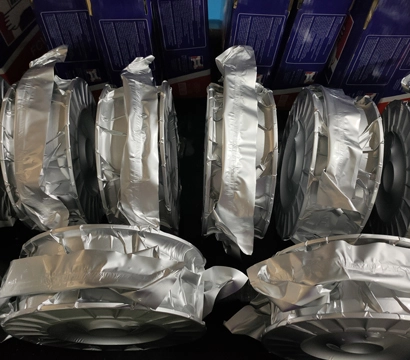
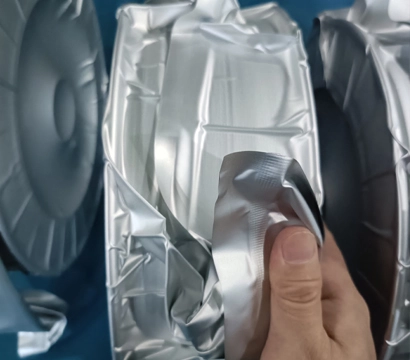
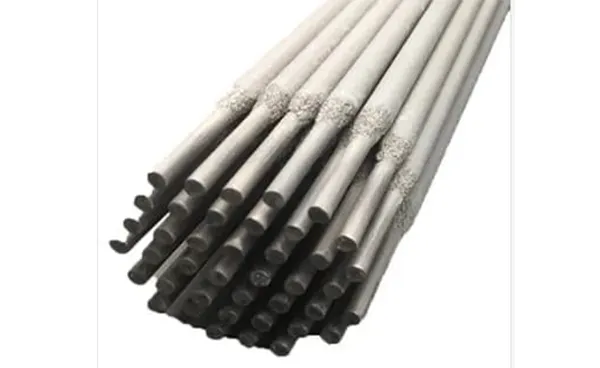
With more than a decade of experience, MINGHUA has established itself as a reliable partner in the field of automatic welding equipment and welding consumables. The company has specialized in different types of flux core welding wire, electrodes, and advanced machinery that meet international quality standards. Its dedication to research, design, and innovation has allowed MINGHUA to develop equipment that enhances both welding precision and overall productivity. By providing advanced solutions to customers worldwide, the company demonstrates how specialized technology contributes to better welding outcomes.

Comparing Traditional Welding Methods with Pipe Welding Equipment
When evaluating the effectiveness of pipe welding equipment, it becomes clear that modern machinery offers significant advantages compared to manual or traditional methods. Conventional approaches rely heavily on the skill of the welder, which can result in inconsistencies. Automated systems, however, reduce human error and standardize results, ensuring stronger welds and faster production cycles.
Aspect | Traditional Welding Methods | Modern Pipe Welding Equipment |
Welding Precision | Dependent on individual skill, often inconsistent | Highly accurate and consistent across all joints |
Speed of Operation | Slower due to manual control | Faster, enabling higher production rates |
Quality Assurance | Requires extensive inspection | Built-in control systems reduce need for rework |
Adaptability to Conditions | Limited flexibility in challenging environments | Designed for diverse diameters and conditions |
Overall Efficiency | Moderate, with risk of material waste | High, minimizing waste and maximizing performance |
This comparison highlights how advanced equipment optimizes both quality and efficiency, reducing downtime and ensuring pipelines meet industry standards.

Applications Across Key Sectors
The use of pipe welding equipment, such as the MMA250, extends across industries that demand structural integrity and long-lasting performance. In the oil and gas sector, pipelines must handle extreme pressure and temperature variations, making weld consistency essential. Power plants rely on precise welding for boilers and high-pressure tubing systems, where even small flaws can lead to costly failures. Construction projects also benefit, as durable pipe welding ensures the reliability of water, gas, and heating systems within urban infrastructure. By employing advanced equipment, these industries can maintain high performance while minimizing operational risks.

Enhancing Efficiency Through Innovation
Innovation continues to shape the development of pipe welding equipment, with new systems integrating robotics, automated controls, and intelligent monitoring. These advancements not only reduce dependency on manual labor but also improve safety by limiting operator exposure to hazardous environments. Real-time feedback and advanced software integration enable manufacturers to maintain quality control throughout the process. Companies like MINGHUA, with their commitment to technology-driven growth, demonstrate how continuous improvement in welding systems can significantly enhance industrial productivity and long-term sustainability.