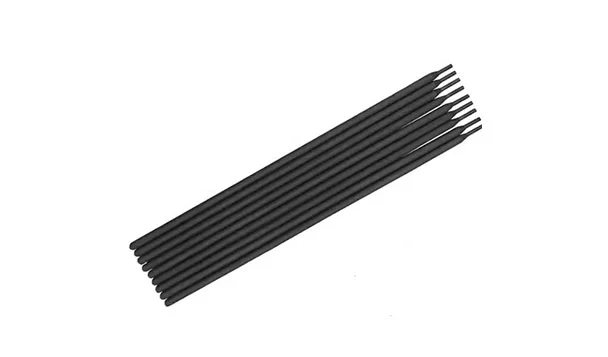
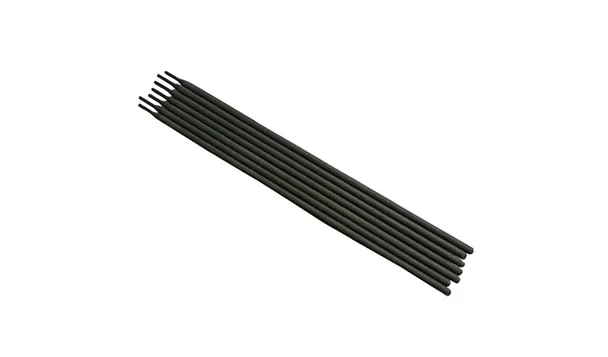
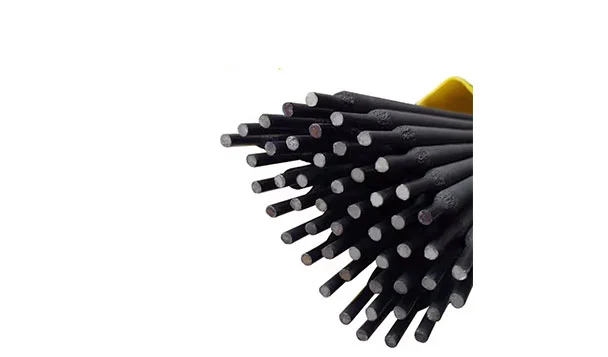
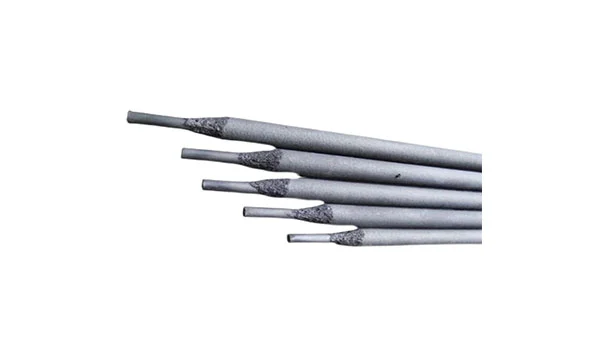
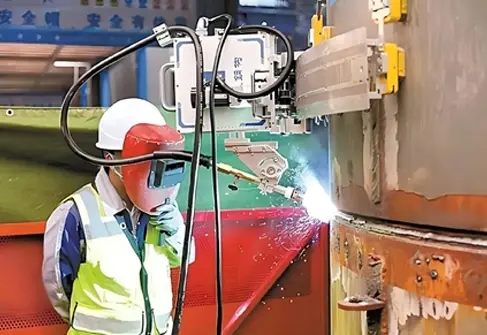
Why Choose Minghua E9018-G for WB36 Steel?
Developed for WB36 and WB36CN1 Applications
The product is positioned for welding WB36, WB36CN1 and compatible low-alloy steel when specified by the project requirements and approved welding procedure.
Low-Hydrogen Electrode Design
The low-hydrogen design supports applications where electrode moisture control and reduction of hydrogen-related cracking risk are important.
All-Position SMAW Operation
The all-position classification supports fabrication, installation and maintenance joints in multiple welding positions, subject to diameter and WPS limitations.
Documented Product Test Data
The current Minghua data includes deposited-metal chemistry and mechanical test results under a stated heat-treatment condition, allowing buyers to compare the product with project acceptance requirements.
Typical E9018-G Applications
Minghua E9018-G is intended for selected WB36, WB36CN1 and compatible low-alloy steel components. The electrode should only be used when its classification, test condition and deposited weld-metal properties satisfy the approved procedure.
| Application | Typical Use | Required Confirmation |
|---|
| Power plant pipelines | High-pressure feedwater lines and compatible low-alloy steel pipe joints | Base metal, design code, WPS and PWHT |
| Pressure-bearing components | Selected joints requiring controlled strength and impact performance | Construction code and acceptance properties |
| Boiler and auxiliary systems | Compatible WB36 or low-alloy steel components | Service conditions and approved consumable |
| Industrial maintenance | Repair of identified WB36 or compatible low-alloy steel components | Material identification and approved repair procedure |
E9018-G Electrode Specification
The following sections consolidate the current Minghua product classification, deposited weld-metal chemistry, mechanical test results, available diameters and reference welding current. Typical test values are not automatic batch-acceptance guarantees; confirm the latest technical data and certificate requirements when ordering.
Quick Specification Table
| Specification Item | Minghua E9018-G |
| Classification | AWS A5.5/A5.5M E9018-G |
| Welding Process | Shielded Metal Arc Welding (SMAW) |
| Electrode Type | Low-hydrogen, low-alloy high-strength covered electrode |
| Welding Position | All-position classification |
| Current / Polarity | DCEP (DC+) |
| Available Diameters | 3.2 mm / 4.0 mm / 5.0 mm |
| Typical Tensile Strength | 690 MPa |
| Typical Yield Strength | 610 MPa |
| Typical Elongation | 24% |
| Typical Impact Toughness | 95 J at -20°C |
| Mechanical Test Condition | Deposited weld metal after heat treatment at 570°C × 2 h |
What Does E9018-G Mean?
The E9018-G designation identifies a low-alloy covered electrode under AWS A5.5/A5.5M. The code provides general classification information, but buyers must use the product-specific chemistry and mechanical data shown below when evaluating the Minghua product.
| E | Covered welding electrode. |
| 90 | 90 ksi tensile-strength classification under the applicable test requirements. |
| 1 | All-position welding classification. |
| 8 | Low-hydrogen iron-powder coating and current-usability characteristics associated with this electrode family. |
| G | General low-alloy classification; detailed chemistry and properties must be confirmed from the product specification. |
For the broader classification system, see the AWS welding electrode classification guide.
Deposited Weld-Metal Chemical Composition
The following values are example deposited weld-metal chemistry currently published for Minghua E9018-G. Actual batch values may vary within the applicable product specification.
| Test Item | C | Mn | Si | S | P | Cr | Ni | Mo |
|---|
| Example Value (%) | 0.058 | 1.36 | 0.22 | 0.005 | 0.010 | 0.24 | 0.94 | 0.40 |
Deposited Weld-Metal Mechanical Properties
Current Minghua data provides the following example mechanical properties after heat treatment at 570°C for 2 hours.
| Test Item | Tensile Strength | Yield Strength | Elongation | KV2 at -20°C |
|---|
| Example Value | 690 MPa | 610 MPa | 24% | 95 J |
Technical note: These are typical example values under the stated heat-treatment condition. Final acceptance should be confirmed against the latest Minghua data, batch documentation, approved WPS and project specification.
Welding Current and Electrode Diameter
Minghua’s current product data specifies DCEP (DC+) and the following reference current ranges. Actual parameters depend on position, joint design, material thickness and approved WPS.
| Electrode Diameter | Reference Welding Current | Polarity |
|---|
| 3.2 mm | 90–120 A | DCEP (DC+) |
| 4.0 mm | 140–180 A | DCEP (DC+) |
| 5.0 mm | 170–210 A | DCEP (DC+) |
Parameter note: Preheat, interpass temperature, heat input and PWHT requirements must follow the base-metal specification, joint design and approved welding procedure.
E9018-G vs Related Low-Alloy Welding Consumables
These products are not automatic substitutes. Selection must be based on the welding process, specified base metal, strength class, impact requirements and approved WPS.
| Consumable | Process / Strength Class | General Selection Difference |
|---|
| E7018 | SMAW / 70 ksi class | General low-hydrogen structural applications where E7018 is specified. |
| E8018-C3 | SMAW / 80 ksi class | Nickel-alloyed classification used when its strength and low-temperature requirements match the project. |
| E9018-G | SMAW / 90 ksi class | Selected WB36/WB36CN1 and compatible low-alloy steel applications using product-specific chemistry and properties. |
Baking and Storage Requirements
Proper storage and moisture control are essential for maintaining the low-hydrogen characteristics of Minghua E9018-G. Current Minghua reference guidance lists baking at 350–400°C for 1–2 hours before welding.
Keep unopened packages dry and undamaged.
Protect opened packages and baked electrodes from unnecessary atmospheric exposure.
Use heated holding ovens when required by the approved procedure.
Confirm rebaking, holding temperature and exposure limits against the current Minghua instructions and project requirements.
Important: The 350–400°C / 1–2 hour range is Minghua’s current reference guidance. It does not replace the approved WPS or job-specific electrode-handling requirements.
What to Confirm Before Ordering E9018-G
Provide the following technical and purchasing information so the supply specification can be checked against the project requirements:
| ✓ | Base material: WB36, WB36CN1 or another specified low-alloy steel. |
| ✓ | Classification: Confirm that AWS A5.5/A5.5M E9018-G is required. |
| ✓ | Diameter: 3.2 mm, 4.0 mm or 5.0 mm. |
| ✓ | Acceptance properties: Tensile, yield, impact temperature, impact energy and PWHT condition. |
| ✓ | Procedure: Applicable WPS, construction code, baking and packaging requirements. |
| ✓ | Commercial information: Quantity, packaging, destination country and delivery requirements. |
Frequently Asked Questions
What is E9018-G welding rod?
E9018-G is an AWS A5.5/A5.5M low-alloy covered electrode for SMAW. Minghua E9018-G is positioned for WB36, WB36CN1 and compatible low-alloy high-strength steel applications where the product meets the approved procedure.
What is the tensile strength of Minghua E9018-G?
The E90 designation represents a 90 ksi tensile-strength classification. Current Minghua example data lists 690 MPa tensile strength after heat treatment at 570°C for 2 hours.
Can E9018-G weld WB36 steel?
Minghua E9018-G is developed for WB36 and WB36CN1 applications. Final use must still be confirmed through the base-metal specification, required properties, construction code and approved WPS.
Which polarity is used for E9018-G?
Current Minghua product data specifies DCEP, also called DC+. Use the reference current range for the selected diameter and follow the approved welding procedure.
Is E9018-G suitable for low-temperature service?
Suitability depends on the required service temperature, impact acceptance criteria and test condition. Minghua’s current example data lists 95 J at -20°C after heat treatment at 570°C for 2 hours.
Can E9018-G replace E7018 or E8018-C3?
Not automatically. These electrodes have different strength classes, alloy systems and product requirements. Any substitution must be accepted by the applicable code, engineering specification and approved WPS.
How should E9018-G electrodes be baked and stored?
Minghua’s current reference guidance lists baking at 350–400°C for 1–2 hours. Protect electrodes from moisture and follow the current Minghua instructions, WPS and project requirements for holding and exposure control.
Request an E9018-G Product and Quotation Review
Provide your base-metal grade, required electrode classification, diameter, impact and PWHT requirements, quantity, packaging and destination. Minghua can then review whether the current E9018-G supply specification matches the requested project conditions.
View the broader mild and low-alloy steel welding electrode range or contact Minghua with your technical and purchasing requirements.
Technical Reference
Classification requirements for low-alloy steel covered electrodes are defined by the applicable AWS specification. Standards information is available from AWS Publications.