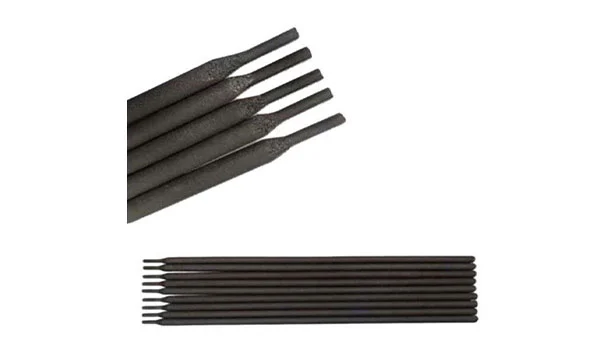
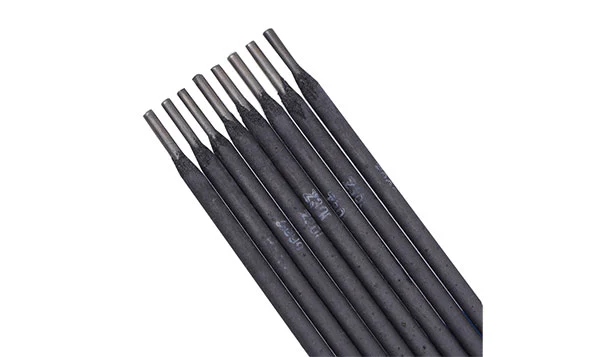
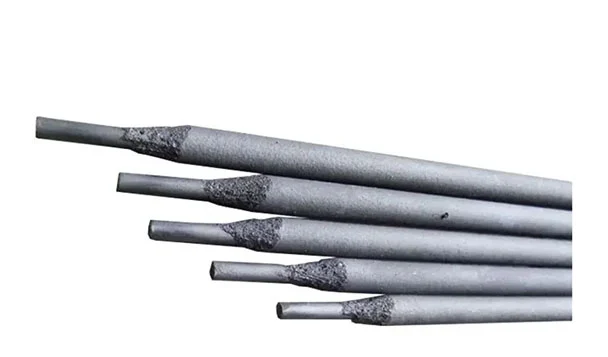
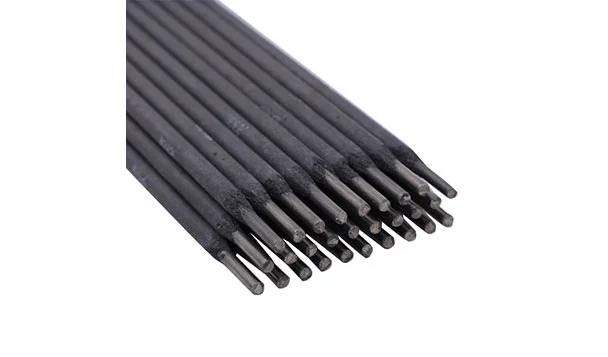
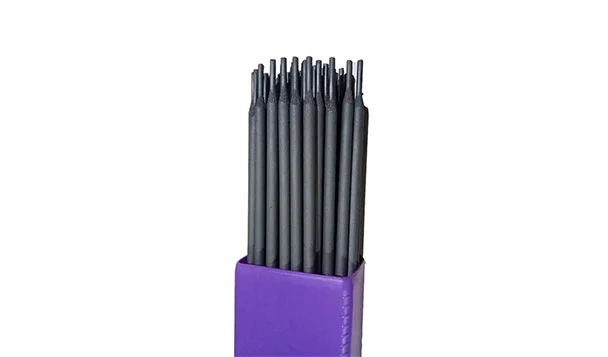
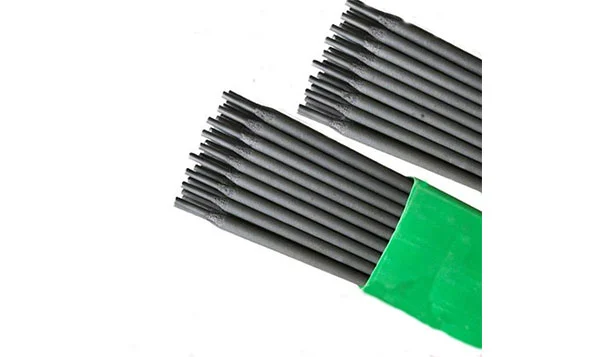
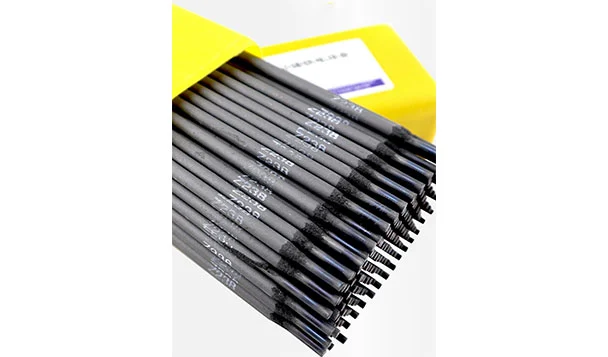
Key Features of Z408 Cast Iron Welding Rod
Nickel-Iron Alloy Core
Designed to provide strong and tough deposited metal for important cast iron repair applications.
Suitable for Ductile Iron
Can be selected for ductile or nodular iron repair when permitted by the applicable welding procedure.
High-Strength Cast Iron Repair
Suitable for gray iron components where the repaired area requires strength and mechanical durability.
Good Crack Resistance
The nickel-iron system supports controlled repair of rigid and crack-sensitive cast components.
AC and DC+ Operation
Compatible with AC or DC+ power sources according to the recommended welding current.
Industrial Cast Components
Applicable to cylinders, engine seats, gears, rollers and other important load-bearing castings.
Z408 Nickel-Iron Electrode Specifications
| Specification | Product Information |
|---|
| Product designation | Z408 cast iron welding rod |
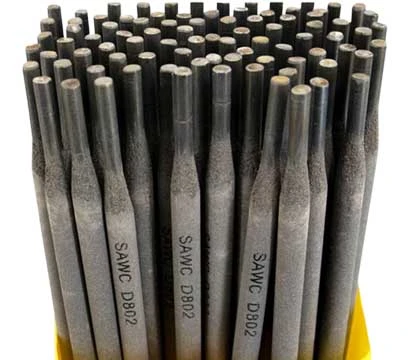
| Electrode type | Nickel-iron coated cast iron electrode |
| Welding process | SMAW / MMA manual stick welding |
| Core type | Nickel-iron alloy core |
| Coating type | Strong reducing graphite coating |
| Welding current | AC or DC+ |
| Reference diameters | 2.5 mm, 3.2 mm, 4.0 mm and 5.0 mm |
| Recommended materials | High-strength gray cast iron and ductile iron |
Classification note: Z408 is commonly cross-referenced with nickel-iron cast iron classifications such as AWS A5.15 ENiFe-CI. For specification-controlled orders, confirm the applicable classification and batch certificate with Minghua before purchase.
Z408 Applications for High-Strength Gray and Ductile Iron
Z408 is intended for cast iron repair applications where the repaired joint must provide suitable strength and toughness. It is particularly relevant to important, rigid or load-bearing gray iron and ductile iron components.
Ductile Iron CastingsRepair of selected nodular or ductile iron parts according to the casting grade and approved WPS.
High-Strength Gray IronRepair of important gray iron castings where deposited-metal strength is a primary consideration.
Cylinders and Engine SeatsRestoration of cracked, worn or locally damaged cast sections in industrial components.
Gears and RollersRepair of mechanically loaded cast parts requiring durable deposited-metal performance.
Rigid and Heavy CastingsControlled repair of thick or highly restrained cast components when supported by a qualified procedure.
Selected Dissimilar JointsCast iron-to-steel repair may be considered after confirming both base materials and joint requirements.
Z408 Deposited-Metal Chemical Composition
The following values are example deposited-metal composition data. Final acceptance requirements should be based on the applicable product specification or supplied batch certificate.
| Chemical Composition of Deposited Metal (%) |
|---|
| Test item | C | Mn | Si | S | Ni | Cu | Al | Fe | Other elements |
|---|
| Example value | 1.5 | 0.2 | 1.8 | 0.002 | 51.5 | 0.016 | 0.4 | Balance | 0.4 |
Recommended Welding Current for Z408
Z408 can be used with AC or DC+ polarity. Select the current according to electrode diameter, casting thickness, joint restraint, welding position and the approved welding procedure.
| Reference Current — AC or DC+ |
|---|
| Electrode diameter | Φ2.5 mm | Φ3.2 mm | Φ4.0 mm | Φ5.0 mm |
|---|
| Welding current | 50–90 A | 70–110 A | 110–160 A | 160–190 A |
These values are reference parameters. Final settings must follow the cast iron grade, component thickness, joint design, welding position and project WPS.
When Should You Choose Z408?
Choose Z408 when the repair requires a nickel-iron deposited metal and the main objective is to achieve suitable strength and toughness in an important gray iron or ductile iron component.
The base material is high-strength gray cast iron or ductile iron.
The repaired area is load-bearing or mechanically stressed.
The casting is thick, rigid or highly restrained.
Deposited-metal strength and toughness are more important than maximum machinability.
The project procedure requires a nickel-iron cast iron electrode.
If the repair is primarily a gray cast iron surface that must be machined after welding, consider the Z308 pure-nickel welding rod instead.
For complete product selection guidance, read Z308 vs Z408 vs Z208 Cast Iron Welding Rod.
Welding Controls for High-Strength Gray and Ductile Iron
Important cast iron components require more than selecting the correct electrode. The welding sequence, joint restraint, heat input and cooling method must be evaluated before repair begins.
Confirm the casting grade. Identify whether the component is gray iron, ductile iron or another cast grade. Do not select the welding procedure by appearance alone.
Evaluate the component load. Determine whether the repaired area is structural, load-bearing, pressure-retaining or subject to vibration.
Inspect and prepare the defect. Remove oil, paint, rust, moisture, damaged metal and other contamination. Prepare the groove and crack ends according to the repair procedure.
Assess joint restraint and preheat requirements. Thick or rigid castings may require a different thermal-control method from smaller components. Follow the qualified WPS rather than applying one universal preheat temperature.
Control heat input. Select an appropriate electrode diameter and current. Use short, controlled weld deposits to limit localized overheating and welding stress.
Plan the welding sequence. On large or highly restrained castings, distribute weld deposits according to the approved sequence to reduce distortion and stress concentration.
Control interpass treatment. Light peening may be used only when permitted by the welding procedure and component requirements.
Use controlled cooling and inspection. Avoid sudden cooling. Important repaired components should be inspected according to the applicable project or quality requirements.
Important: Electrode storage, drying, preheating, interpass temperature and post-weld inspection should follow the Minghua product datasheet and approved WPS. Welding parameters must be selected for the actual casting rather than copied from a different repair project.
Information Required for a Z408 Quotation
To confirm whether Z408 is appropriate and prepare an accurate quotation, please provide the following information:
Cast iron grade and component name
Repair location and expected service load
Required electrode diameter and length
Order quantity and packaging requirements
Required AWS, ISO, GB or project classification
Batch certificate, inspection or testing requirements
Whether post-weld machining is required
Destination country and delivery terms
FAQ About Z408 Nickel-Iron Cast Iron Electrode
What is Z408 cast iron welding rod used for?
Z408 is used for repair welding of important high-strength gray iron and ductile iron castings. Typical applications include cylinders, engine seats, gears, rollers and other mechanically loaded cast components.
Can Z408 be used for welding ductile iron?
Yes. Z408 can be selected for suitable ductile or nodular iron repair applications. Final suitability depends on the casting grade, component loading, joint design and approved welding procedure.
Why does Z408 use a nickel-iron alloy core?
The nickel-iron alloy system is selected to provide a combination of strength, toughness and crack resistance for important cast iron repair applications, particularly when maximum post-weld machinability is not the primary requirement.
When should Z408 be selected instead of Z308?
Select Z408 when repairing high-strength gray iron or ductile iron and when deposited-metal strength and toughness are priorities. Select Z308 when repairing gray cast iron surfaces that require better machinability after welding.
Can Z408 electrode be used with AC and DC?
Yes. Minghua Z408 cast iron welding rod can be used with AC or DC+ according to the recommended current range and applicable welding procedure.
What current is recommended for Z408 welding rod?
As a reference, 2.5 mm uses 50–90 A, 3.2 mm uses 70–110 A, 4.0 mm uses 110–160 A and 5.0 mm uses 160–190 A. Final settings depend on the casting, joint design and welding position.
Is Z408 equivalent to AWS ENiFe-CI?
Z408 is commonly cross-referenced with the AWS A5.15 ENiFe-CI nickel-iron cast iron electrode type. For certified projects, confirm the classification and supplied batch certificate with Minghua before specifying the product.
Related Cast Iron Welding Resources
Request a Z408 Welding Rod Quotation
Send Minghua your cast iron grade, application, required diameter, quantity, certification requirements and destination.
Contact Minghua