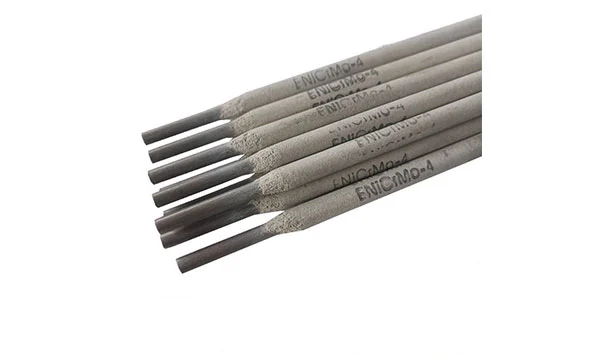
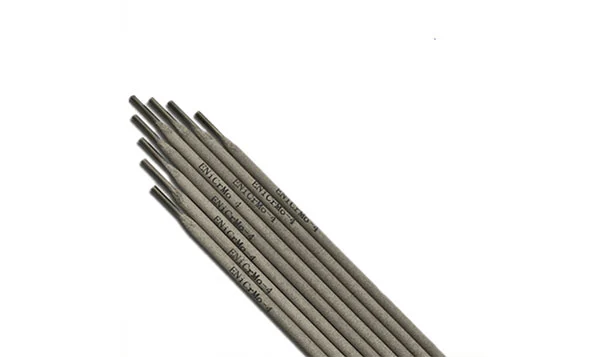
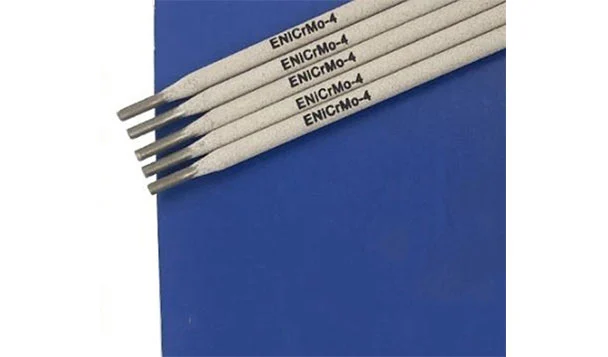
Features of ENiCrMo-4 Nickel Welding Rod
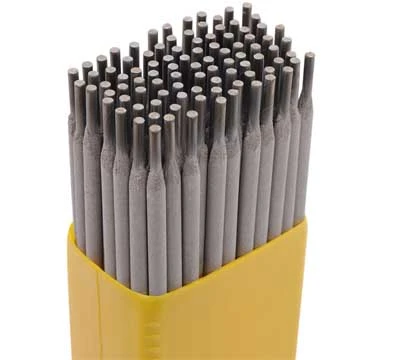
MHENiCrMo-4 welding electrode has excellent welding performance.
The deposited metal has excellent crack resistance and corrosion resistance, especially pitting corrosion resistance and crevice corrosion resistance.
ENiCrMo-4 vs ENiCrMo-3 Nickel Welding Rod: Which One Should You Choose?
ENiCrMo-4 and ENiCrMo-3 are both nickel-chromium-molybdenum welding electrodes, but they are commonly selected for different alloy systems and service environments. ENiCrMo-4 is mainly used for C-276 alloy and severe corrosion-resistant applications, while ENiCrMo-3 nickel welding rod for Alloy 625 is more suitable for Alloy 625, Alloy 800, Alloy 825, super duplex stainless steel and selected dissimilar metal welding projects.
| Product | Main Positioning | Typical Application | Buyer Selection Advice |
| ENiCrMo-4 Nickel Welding Rod | Nickel-chromium-molybdenum electrode for C-276 alloy and severe corrosion environments | C-276 alloy, corrosion-resistant alloy equipment, stainless steel and low-alloy steel surfacing | Choose ENiCrMo-4 when the project specifies C-276 alloy or stronger pitting and crevice corrosion resistance. |
| ENiCrMo-3 ENi625 Nickel Welding Electrode | Nickel alloy electrode for Alloy 625 and high-temperature corrosion-resistant alloys | Alloy 625, Alloy 800, Alloy 825, super duplex stainless steel and dissimilar metal welding | Choose ENiCrMo-3 when corrosion resistance, high-temperature strength and Alloy 625 compatibility are required. |
Chemical Composition
| Chemical components of deposited metal (%) |
| Test item | C | S | Mn | Si | P | Cr | Ni | Mo | V | W | Co | Cu | Fe |
| Example value | 0.017 | 0.002 | 0.31 | 0.15 | 0.006 | 15.02 | 58.22 | 16.17 | 0.092 | 3.51 | 0.28 | 0.043 | 6.22 |
| Reference current (DC+) |
| Diameter of welding electrode mm | Φ3.2 | Φ4.0 |
| Welding current A | 70-110 | 100-140 |