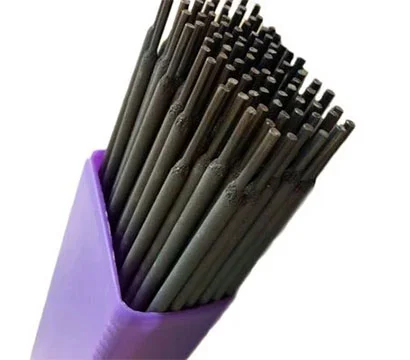
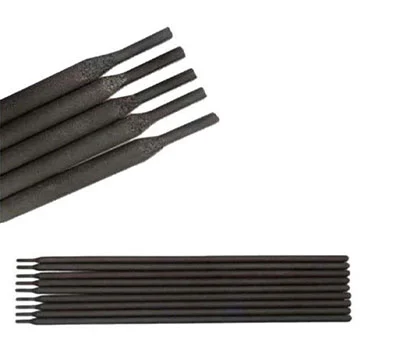
Find Welding Electrodes by Base Material and Application
| Base Material / Requirement | Relevant Electrode Category | Typical Products | Selection Focus |
| Carbon & Structural Steel | Mild and Low-Alloy Steel Electrodes | E6013, E5016, E7016, E7018 | Strength, position, polarity, hydrogen control |
| Low-Temperature & High-Strength Steel | Low-Temperature Steel Electrodes | E8015-C1, E8018-C3, E9018-G | Impact toughness, service temperature, WPS |
| Corrosion-Resistant Steel | Corrosion-Resistant Electrodes | According to verified classification | Base grade, corrosion medium, service temperature |
| Cast Iron | Cast Iron Welding Electrodes | Z208, Z308, Z408 | Cast grade, machinability, crack resistance |
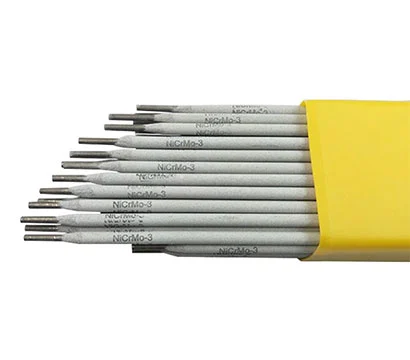
| Nickel Alloys | Nickel Alloy Electrodes | ENiCrMo-3, ENiCrMo-4, ENiCrMo-6 | Chemistry, corrosion, temperature |
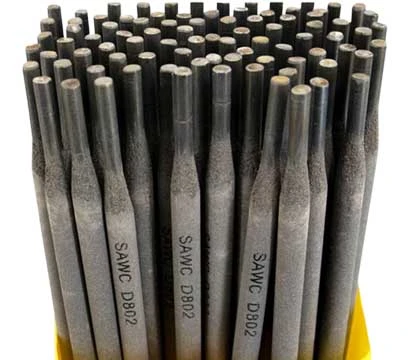
| Wear-Resistant Overlay | Hardfacing Electrodes | D707, D212, D608 and verified grades | Wear type, impact, HRC, layer count |
| Cobalt Alloys | Cobalt Alloy Electrodes | Co-series grades | Wear, corrosion, elevated temperature |
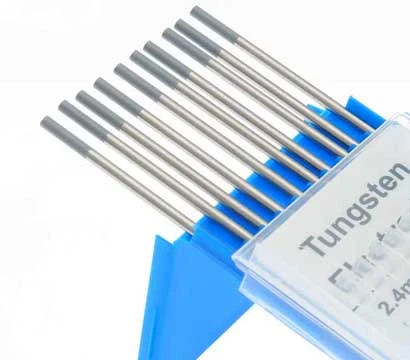
| TIG Arc Generation | Tungsten Electrodes | WC20, WT20, WZ8 | Current type, material, TIG application |
How to Read AWS Welding Electrode Classifications
AWS welding electrode classifications provide important information about an electrode's strength level, welding-position capability, usability characteristics and, for some classifications, alloy composition or supplemental performance requirements.
However, not every electrode classification follows exactly the same system. Carbon steel covered electrodes such as E6013, E7016 and E7018 are classified under AWS A5.1, while low-alloy steel electrodes such as E9018-G are covered by AWS A5.5. Nickel alloy, stainless steel, cast iron and hardfacing electrodes use other applicable specifications.
Always read the complete electrode classification together with the relevant AWS specification, product TDS and approved WPS.
Example: Understanding E7018
| Code Element | General Meaning | E7018 Example |
| E | Identifies the product as an electrode | Electrode |
| 70 | Minimum tensile-strength class in the AWS A5.1 U.S. customary classification | 70 ksi minimum tensile-strength class |
| 1 | Welding-position designation | All-position welding |
| 8 | Coating and current-usability designation | Low-hydrogen, iron-powder type with applicable current characteristics defined by the classification |
E7018 is widely recognized as a low-hydrogen covered electrode used for structural and other applications requiring controlled hydrogen and defined mechanical properties. Actual welding current, polarity, baking requirements and mechanical properties should always be confirmed against the manufacturer's TDS.
Common AWS Electrode Classification Examples
| Classification | General Electrode Type | Strength Class | Welding Position | Main Selection Consideration |
| E6013 | General-purpose carbon steel covered electrode | 60 ksi class | All positions | General fabrication, arc characteristics, ease of use and applicable current |
| E7016 | Low-hydrogen covered electrode | 70 ksi class | All positions | Hydrogen control, structural welding and required mechanical properties |
| E7018 | Low-hydrogen iron-powder covered electrode | 70 ksi class | All positions | Structural applications, hydrogen control, strength and impact requirements |
| E9018-G | Low-alloy steel covered electrode | 90 ksi class | All positions | Alloy chemistry, strength, impact toughness, service conditions and approved WPS |
The table above is intended as a general classification guide. Final electrode selection must be based on the complete AWS designation and the applicable product specification.
What Does the “-G” Mean in E9018-G?
The “-G” designation in an AWS A5.5 low-alloy steel electrode classification indicates that the electrode falls under a general chemical-composition classification rather than one of the specifically defined alloy-suffix groups.
This means buyers should not evaluate an E9018-G electrode only from the “90”, “1” and “8” portions of the classification. The actual deposited weld-metal chemistry, tensile properties, impact toughness and application suitability must be checked against the manufacturer's Technical Data Sheet, batch test results and the project WPS.
For WB36, WB36CN1 or other specified low-alloy steel applications, review the E9018-G electrode specification before confirming the welding consumable.
AWS Classification Is Only the Starting Point
Two electrodes with similar-looking AWS classifications may still have different:
Chemical compositions
Impact-toughness performance
Recommended current ranges
Polarity requirements
Baking and storage instructions
Diffusible-hydrogen classifications
Post-weld heat-treatment requirements
Intended base metals and service environments
For critical welding applications, buyers should confirm the complete AWS classification, base-metal grade, service temperature, required mechanical properties and approved WPS before selecting an electrode.
Need help comparing common low-hydrogen electrodes? Read the E7016 vs E7018 welding electrode comparison for more information about their selection and typical applications.
Low-Hydrogen vs Rutile vs Nickel-Based Welding Electrodes
| Electrode Type | Typical Examples | Main Characteristics | Typical Selection Scenario |
| Rutile | E6013 | Easy arc striking, smooth bead | General fabrication |
| Low-Hydrogen | E7016, E7018, E9018-G | Hydrogen control and structural properties | Structural and critical applications |
| Nickel-Based | ENi series | Alloy and corrosion compatibility | Nickel alloys and dissimilar joints |
| Pure Nickel Cast Iron | Z308 | Good machinability | Gray cast iron repair |
| Nickel-Iron Cast Iron | Z408 | Higher strength than pure nickel deposits | Selected cast iron repairs |
| Hardfacing | D-series | Wear-resistant overlay | Repair and surfacing |
Welding Electrode FAQ
What types of welding electrodes does Minghua supply?
Minghua supplies covered welding electrodes for carbon steel, low-alloy steel, low-temperature steel, cast iron, nickel alloys, cobalt alloys and selected hardfacing applications.
Available product categories include general-purpose structural electrodes, low-hydrogen electrodes, low-temperature steel electrodes, cast iron repair electrodes and alloy electrodes for corrosion-resistant or elevated-temperature applications. Exact classifications and specifications should be confirmed according to Minghua’s current product catalog and Technical Data Sheets.
How do I choose the correct welding electrode?
Start by confirming the exact base-metal grade and required welding standard. Then consider:
AWS, EN or ISO classification
Base-metal strength
Welding position
Current and polarity
Hydrogen-control requirements
Required tensile and yield strength
Impact toughness
Service temperature
Corrosion or wear conditions
Post-weld heat treatment
Machinability requirements
For critical applications, electrode selection should follow the approved WPS and applicable project specification.
What is the difference between E6013, E7016 and E7018 welding electrodes?
E6013 is commonly used for general carbon steel fabrication where easy arc striking and smooth welding characteristics are important.
E7016 and E7018 are low-hydrogen electrodes in the 70 ksi tensile-strength class and are generally considered for applications requiring better hydrogen control and defined mechanical properties.
E7018 is an iron-powder low-hydrogen electrode, while E7016 has different coating and usability characteristics. Final selection should consider the welding position, polarity, base metal, required impact toughness and approved WPS.
For a detailed comparison, review the E7016 vs E7018 welding electrode comparison.
What is a low-hydrogen welding electrode?
A low-hydrogen electrode is designed to limit the amount of diffusible hydrogen introduced into the weld metal.
These electrodes are commonly used for structural steels, high-strength steels and applications where hydrogen-assisted cracking is a concern.
Proper storage, handling, baking and exposure control are important because moisture absorbed by the electrode coating can increase hydrogen levels. Storage and rebaking requirements should always follow the specific electrode TDS and approved welding procedure.
How do I read an AWS welding electrode classification?
AWS electrode classifications provide information about characteristics such as tensile-strength class, welding position, coating type and current usability.
For example, in E7018:
E indicates electrode
70 indicates the 70 ksi tensile-strength class
1 indicates all-position welding capability
8 identifies the coating and current-usability classification
However, not all welding electrodes follow the same classification system. Carbon steel, low-alloy steel, nickel alloy, cast iron and hardfacing electrodes may be covered by different AWS specifications.
Always verify the complete classification against the applicable AWS standard and product TDS.
Which welding electrode is used for cast iron repair?
The correct cast iron electrode depends on the cast iron grade, crack condition, required weld-metal strength and post-weld machining requirements.
For example:
Z208 may be considered for selected general cast iron repair applications.
Z308 is a pure nickel-type electrode commonly selected for gray cast iron repairs requiring good machinability.
Z408 is a nickel-iron-type electrode considered where higher deposited-metal strength and toughness are required.
For gray cast iron repair requiring post-weld machining, review the Z308 nickel welding rod for cast iron repair and compare it with Z208 and Z408 before selecting a product.
What is the difference between Z308 and Z408 welding rods?
Z308 is a pure nickel-type cast iron electrode that is commonly selected when machinability and controlled crack resistance are important.
Z408 is a nickel-iron-type electrode that generally provides higher deposited-metal strength and toughness than pure nickel deposits.
The correct choice depends on:
Cast iron grade
Component size
Crack location
Required strength
Machining requirements
Repair procedure
Service conditions
Electrode selection should not be based only on product price or hardness.
What is E9018-G welding electrode used for?
E9018-G is a low-alloy, low-hydrogen covered electrode in the 90 ksi tensile-strength class.
Selected E9018-G products may be used for high-strength low-alloy steel applications, including WB36 or WB36CN1 components, depending on the deposited-metal chemistry, mechanical properties and approved WPS.
Buyers should review the E9018-G electrode specification and confirm tensile strength, yield strength, impact toughness, polarity and baking requirements against the project specification before use.