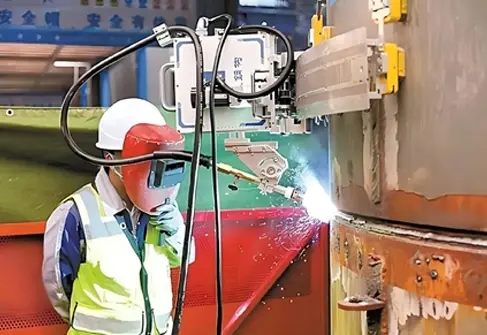
The price of an H beam welding machine depends on its processing range, production-line configuration, welding power source, automation level, conveyor length and required technical services. There is no single standard price that applies to every structural steel factory.
A useful quotation should be based on your maximum beam dimensions, plate thickness, production target, workshop layout and local electrical requirements. This guide explains the main H beam production line cost factors and how to compare supplier quotations accurately.
What Is Included in an H Beam Welding Machine?
An H beam welding machine is equipment used to position, assemble, tack weld or continuously weld the web and flange plates of fabricated H-shaped steel sections.
The term may refer to one welding station or a complete production system. Before comparing prices, confirm exactly which equipment is included in each quotation.
A complete H beam production line may include:
Web and flange plate loading conveyors
Centering and hydraulic clamping systems
H beam assembly equipment
Automatic tack-welding units
Submerged arc welding equipment
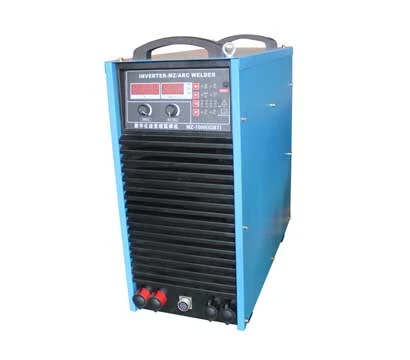
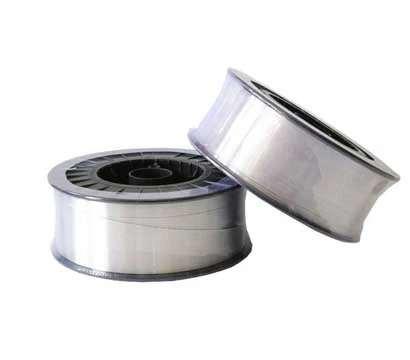
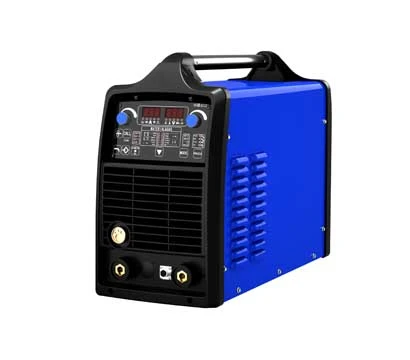
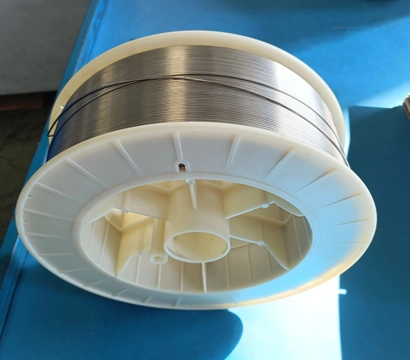
Welding power sources and wire feeders
Flux delivery and recovery systems
Flange straightening equipment
Input and output roller conveyors
Electrical and hydraulic control systems
A lower-priced offer may include only the main machine, while another quotation may include welding power sources, conveyors, auxiliary systems and commissioning. Compare the equipment scope before comparing the total amount.
1. Beam Size and Plate Thickness
The maximum H beam dimensions are among the most important factors affecting machine size and price.
A machine designed for larger web heights, wider flange plates and thicker materials generally requires a heavier frame, larger roller system, stronger clamping components and greater straightening capacity.
The supplier will normally need the following information:
Minimum and maximum web height
Web plate thickness range
Minimum and maximum flange width
Flange plate thickness range
Minimum and maximum beam length
Maximum estimated workpiece weight
Required H beam and T beam sizes
For example, Minghua’s H beam welding machine is available in LMZ-1500 and LMZ-1800 configurations. The LMZ-1800 supports a larger web height and flange width than the LMZ-1500, so the required model should be selected according to the largest planned workpiece.
Do not select the machine only according to your average beam size. Purchasing equipment with insufficient capacity can restrict future orders, while selecting a substantially oversized machine may increase investment and workshop-space requirements unnecessarily.
2. Integrated or Conventional Line Configuration
The production-line structure affects the number of machines, conveyors, controls and material transfers included in the project.
A conventional H beam line normally uses separate machines for assembly, submerged arc welding and flange straightening. A 3-in-1 system combines these major processes within one coordinated production unit.
| Configuration | Main Equipment | Cost Considerations |
|---|---|---|
| 3-in-1 H beam line | Integrated assembly, welding and straightening system | Coordinated machine design, centralized control and a relatively compact layout |
| Conventional line | Separate assembly, welding and straightening machines | More individual machines, transfer conveyors and installation areas |
| Customized line | Project-specific machines and material handling | Engineering, non-standard components and layout integration |
An integrated line is not automatically less expensive in every project. The final cost depends on capacity, included functions and auxiliary equipment. Review Minghua’s range of automatic welding production lines when comparing different factory configurations.
3. Welding Power Source and Process Configuration
The welding system price depends on the required current range, number of welding heads, wire-feeding arrangement and process controls.
Automatic H beam welding lines commonly use submerged arc welding for the main longitudinal seams. The American Welding Society describes submerged arc welding as a process in which the arc operates beneath granular flux, helping protect the weld area during mechanized welding.
For additional process background, refer to the American Welding Society guide to submerged arc welding.
Price-related welding options may include:
One or two submerged arc welding power sources
Single-wire or project-specific wire-feeding systems
Different welding-current capacities
Automatic seam-tracking functions
Flux delivery and recovery equipment
Welding parameter control
Automatic tack-welding equipment
Additional welding cables and accessories
The selected submerged arc welding power source should match the steel grade, plate thickness, joint design, welding wire and approved procedure. A higher maximum current rating is not automatically the best choice for every application.
4. Automation and Control System
The automation level determines how much positioning, clamping, conveying and welding coordination is handled by the machine.
A basic system may require more manual positioning and parameter adjustment. A more automated system may include coordinated hydraulic clamping, variable-frequency conveying, automatic tack welding, centralized operation and stored production settings.
Common automation cost factors include:
Automatic web and flange centering
Hydraulic clamping and release
Motorized beam-size adjustment
Variable-frequency conveyor control
Automatic tack-welding coordination
PLC and touchscreen controls
Fault alarms and diagnostic functions
Production parameter storage
Remote technical-support capability
More automation can reduce repetitive adjustments, but it should match the factory’s actual product variety and operator skills. Paying for functions that are rarely used may not improve the total value of the project.
5. Roller Conveyors and Material Handling
Conveyor length and material-handling equipment can represent a significant part of the complete production-line quotation.
The main machine dimensions do not show the full installation requirement. Long H beams need sufficient input and output conveyors, loading space, unloading space and crane clearance.
The quotation may change according to:
Input roller conveyor length
Output roller conveyor length
Powered or non-powered rollers
Cross-transfer mechanisms
Plate loading equipment
Finished-beam discharge systems
Conveyor load capacity
Workshop material-flow direction
Provide a workshop layout before requesting the final price. This allows the supplier to calculate a practical conveyor arrangement instead of quoting a standard length that may not fit the factory.
6. Flange Straightening Capacity
The straightening system must be selected according to flange width, thickness, material grade and expected welding deformation.
Larger or thicker flange plates may require stronger rollers, drive components and hydraulic systems. If the machine is unable to straighten the maximum workpiece, an additional processing step may be required.
Ask the supplier to confirm:
Maximum applicable flange width
Supported flange-thickness range
Applicable steel grades
Straightening method
Adjustment procedure
Limitations for special beam designs
For critical applications, request a factory trial using a representative welded beam or material with similar dimensions.
7. Electrical Components and Local Voltage
The local electrical supply affects motor selection, control components, transformers and welding power-source configuration.
Before receiving a quotation, provide:
Voltage
Frequency
Number of phases
Available workshop power capacity
Required electrical component brands, if applicable
Local electrical and safety requirements
Voltage customization, upgraded control components and special electrical certification may increase project cost. These requirements should be confirmed before production rather than after the machine is completed.
8. Welding Safety and Workshop Requirements
The complete project cost should account for safe installation, ventilation, electrical protection and operator access.
The machine quotation may not include fume extraction, workshop ventilation, personal protective equipment, safety barriers or other site-level controls. These items still need to be considered when preparing the installation budget.
The United States Occupational Safety and Health Administration publishes requirements and guidance covering welding, cutting and brazing hazards. Buyers can review the official OSHA welding safety resources when planning workplace controls. Local regulations in the installation country must also be followed.
9. Customization and Non-Standard Engineering
Customized equipment normally costs more because it requires additional design, manufacturing, testing and documentation.
Customization may be necessary when the standard machine cannot meet the required beam dimensions, workflow or workshop constraints.
Common customized items include:
Non-standard beam-size range
Extended conveyors
Special loading and transfer equipment
Customized welding-head arrangement
Specific electrical component brands
Special voltage and frequency
Integration with existing equipment
Customized safety guards
Additional operating languages
Project-specific documentation
Provide accurate drawings and requirements early. Revisions after design approval or manufacturing has started may affect both price and delivery schedule.
10. Installation, Commissioning and Training
The equipment price and the installed project cost are not always the same.
A quotation may be based on equipment supply only, while installation, commissioning and operator training are quoted separately. Confirm which party is responsible for each stage.
| Service Item | Questions to Ask |
|---|---|
| Foundation preparation | Does the supplier provide foundation drawings? |
| Machine installation | Is installation included or provided as a paid service? |
| Commissioning | Will the machine be tested using the buyer’s workpiece? |
| Operator training | How many operators can attend and what topics are covered? |
| Travel expenses | Who pays for flights, accommodation, visas and local transport? |
| Remote support | Is online troubleshooting included after delivery? |
11. Packaging, Shipping and Import Costs
The final landed cost includes more than the factory equipment price.
International buyers should calculate:
Export packaging
Container or special transport requirements
Inland transportation to the port
Ocean or land freight
Marine insurance
Import duties and taxes
Customs clearance
Transportation from the destination port
Unloading and lifting equipment
Local installation expenses
Large production-line components may require multiple containers or special loading arrangements. Ask for the estimated packing dimensions and shipping weight before calculating the complete budget.
12. Quality Documentation and Supplier Capability
A reliable quotation should be supported by clear specifications, drawings, testing procedures and service terms.
ISO 3834 provides a framework for selecting suitable quality requirements for fusion welding of metallic materials in workshop and field environments. Buyers can review the official ISO 3834 overview when evaluating welding quality controls.
Before placing an order, request:
Machine specifications and layout drawings
Electrical and hydraulic diagrams
Factory acceptance test procedure
Machine trial or operating video
Representative welding samples
Recommended spare-parts list
Warranty conditions
Installation and training scope
Technical-support contact details
Manufacturers working on building frames, bridges and heavy fabrication can also review Minghua’s structural steel welding solutions when planning the complete welding process.
How to Compare H Beam Welding Machine Quotations
Compare quotations by technical scope and total ownership cost rather than by the headline price alone.
| Comparison Item | What to Verify |
|---|---|
| Processing capacity | Maximum web, flange, thickness and beam-length range |
| Included equipment | Main machine, conveyors, welding systems and auxiliary equipment |
| Welding configuration | Power-source model, number of heads, wire feeders and flux recovery |
| Automation | Centering, clamping, conveying, tack welding and control functions |
| Electrical system | Voltage, frequency and component specifications |
| Installation | Foundation, installation, commissioning and training responsibilities |
| Shipping | Packaging, transport terms, dimensions and estimated weight |
| After-sales service | Warranty, spare parts, remote support and response procedure |
Request an itemized quotation so that optional equipment and excluded costs are visible. Two quotations with different equipment scopes should not be treated as directly comparable.
What Information Is Needed for an Accurate Price?
The supplier needs complete workpiece and production information to recommend the correct machine configuration.
Prepare the following details:
Maximum and minimum web height
Web plate thickness range
Maximum and minimum flange width
Flange plate thickness range
Typical and maximum beam length
Steel grade and representative drawings
Required welding process and wire diameter
Expected number of beams per shift or month
Workshop dimensions and crane capacity
Local voltage, frequency and phase
Required installation and training services
Destination port or installation location
Incomplete project information often results in a preliminary estimate rather than a final technical quotation.
Frequently Asked Questions
How much does an H beam welding machine cost?
There is no universal price. The cost depends on beam capacity, line configuration, welding power sources, automation, conveyors, electrical requirements and technical services.
Why do prices differ significantly between suppliers?
Quotations may include different machine capacities, component specifications, welding systems, conveyors and service scopes. Compare the full technical configuration rather than only the total amount.
Is a 3-in-1 H beam line cheaper than a conventional line?
Not necessarily. A 3-in-1 line combines several functions, while a conventional line uses separate machines. The final price depends on capacity, equipment scope and existing factory equipment.
Does the quotation include welding power sources?
This depends on the supplier’s scope. Ask whether welding power sources, wire feeders, cables, flux recovery equipment and accessories are included.
Can the H beam welding machine be customized?
Conveyors, welding systems, electrical controls and material-handling equipment may be customized according to the project, subject to the manufacturer’s engineering capability.
Are shipping and installation included in the price?
They may be quoted separately. Confirm the delivery term, packaging, freight, installation, commissioning, travel expenses and local responsibilities.
What is the best way to obtain an accurate quotation?
Send the supplier your beam drawings, dimensional range, plate thickness, production target, workshop layout, electrical supply and required service scope.
Conclusion
The H beam welding machine price is determined by much more than the main machine model. Beam capacity, welding configuration, automation, conveyors, electrical requirements, shipping and technical services all affect the final investment.
Send Minghua your H beam dimensions, production target and workshop layout to receive a suitable machine configuration and itemized quotation.