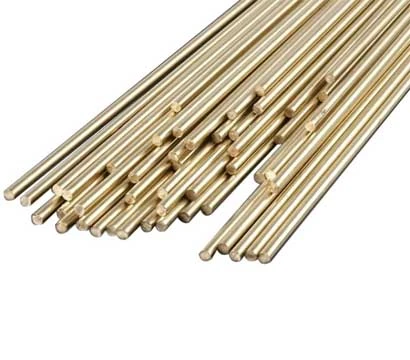
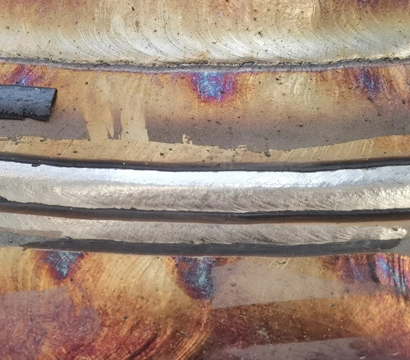
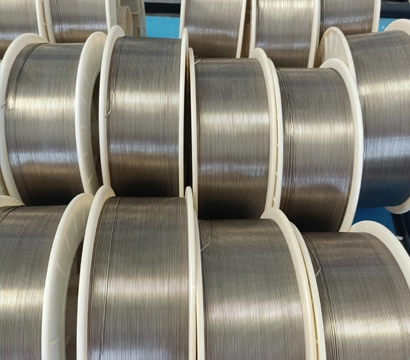
Choosing the right welding electrode is critical for weld quality, strength, and efficiency. There are 4 main types of welding electrodes that cover the vast majority of industrial and workshop applications.
In this complete guide, we break down the 4 types of welding electrodes, their characteristics, advantages, limitations, and real-world uses. Whether you use an MMA 250 welding machine or professional equipment, this guide will help you make better decisions.
The 4 Main Types of Welding Electrodes
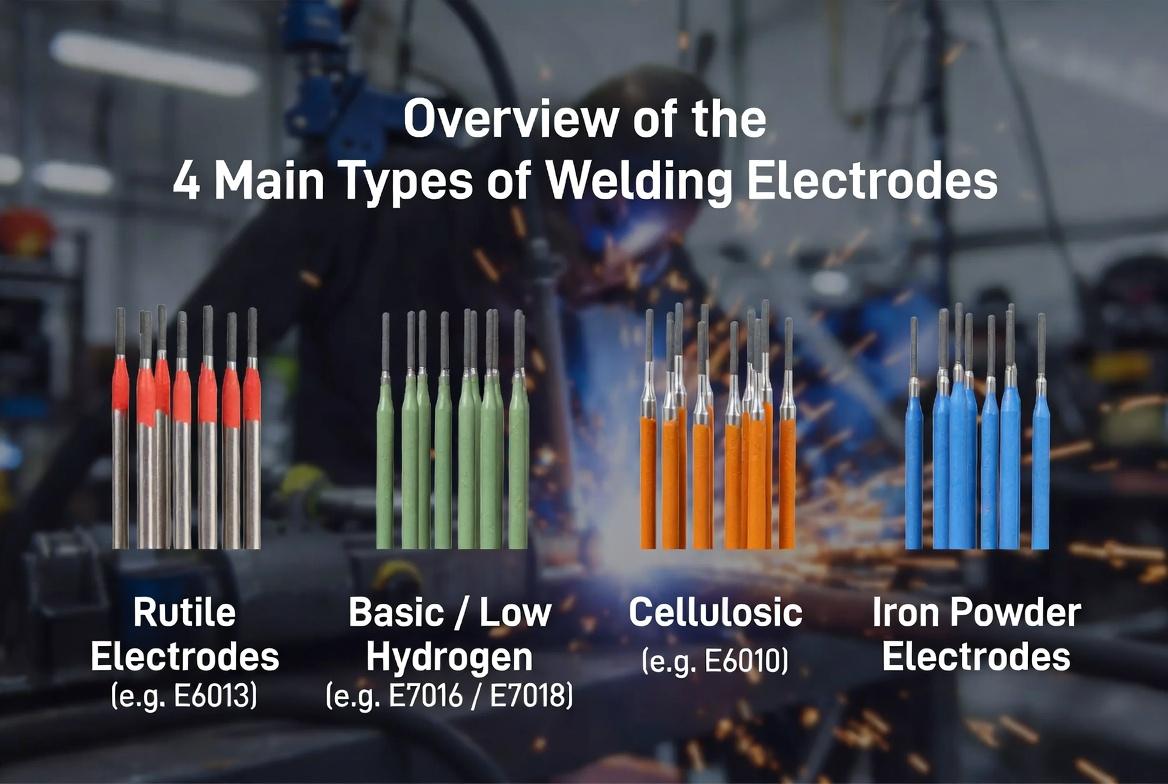
Welding electrodes are primarily classified by their flux coating. Here are the four most important types:
1. Rutile Electrodes (e.g., E6013)
· Most popular for beginners and general fabrication.
· Smooth arc, easy slag removal, and forgiving on dirty or rusty metal.
· Best for thin to medium thickness materials.
2. Basic / Low Hydrogen Electrodes (e.g., E7016, E7018)
· Excellent crack resistance and mechanical properties.
· Ideal for structural steel, pressure vessels, and low-temperature applications.
· Requires careful storage to prevent moisture absorption.
3. Cellulosic Electrodes (e.g., E6010, E6011)
· Deep penetration and fast-freezing slag.
· Great for root passes, pipelines, and vertical/downhand welding.
· Strong arc force but more spatter.
4. Iron Powder Electrodes (e.g., E7018 with high iron content)
· High deposition rate (more weld metal per electrode).
· Higher efficiency and faster welding speed.
· Suitable for heavy fabrication and thick sections.
Related Article: Not sure about the basics? Read What is an Electrode in Welding? first.
Welding Electrode Types Comparison Table
Type | AWS Examples | Coating | Arc Stability | Penetration | Slag Removal | Best Applications | Recommended AMH Products |
Rutile | E6013 | Rutile | Excellent | Medium | Very Easy | General repair, thin sheets, DIY | E5016 / E7016 series |
Basic / Low Hydrogen | E7016, E7018 | Low Hydrogen | Good | Medium | Easy | Structural steel, ships, pressure vessels | E5016/E7016, E9018-G |
Cellulosic | E6010, E6011 | Cellulosic | Good | Deep | Moderate | Pipelines, root passes, vertical welding | Contact for custom |
Iron Powder | High-efficiency E7018 | Iron Powder | Excellent | Medium | Easy | Heavy fabrication, high-speed welding | High-efficiency series |
This table makes it easy to compare the 4 types of welding electrodes at a glance.
How to Choose the Right Type for Your Project
· Beginners / Home Use → Start with Rutile (E6013) or E7016.
· Structural / Critical Welds → Use Low Hydrogen (E7016 / E7018).
· Thick Materials or High Speed → Choose Iron Powder electrodes.
· Pipeline / Field Work → Cellulosic types perform best.
Pro Tip: When using the MMA 250 welding machine, E7016 electrodes offer the best balance of performance and ease of use.
Learn practical application: Check our guide MMA 250 Welding Machine: Best Electrodes & Setup.
Frequently Asked Questions (FAQ)
Q1: What are the 4 types of welding electrodes?
A: The four main types are Rutile, Basic/Low Hydrogen, Cellulosic, and Iron Powder electrodes.
Q2: Which type of welding electrode is best for beginners?
A: Rutile electrodes (E6013) are the most forgiving and easiest to use.
Q3: What is the difference between E7016 and E7018?
A: Both are low hydrogen, but E7018 contains iron powder for higher deposition rate and faster welding.
Q4: How do different types of welding electrodes affect weld quality?
A: Coating type directly influences arc stability, penetration, crack resistance, and mechanical properties.
Q5: Can I use all 4 types with an MMA 250 inverter welder?
A: Yes, but always match polarity and amperage to the electrode specification.
Q6: Why is proper storage important for low hydrogen electrodes?
A: Moisture absorption can cause hydrogen cracking in the weld.
Q7: Where can I buy high-quality welding electrodes in China for export?
A: AMH Weld offers AWS-certified electrodes with global shipping.
Q8: Which electrode is best for stainless steel or nickel alloys?
A: Nickel-based electrodes such as ENiCrMo-3.
Conclusion
Mastering the 4 types of welding electrodes will dramatically improve your welding results and efficiency. Whether you need general-purpose or high-performance electrodes, choosing the right type is key to success.
Related Articles:
·What is an Electrode in Welding? Beginner’s Guide
·MMA 250 Welding Machine Complete Guide