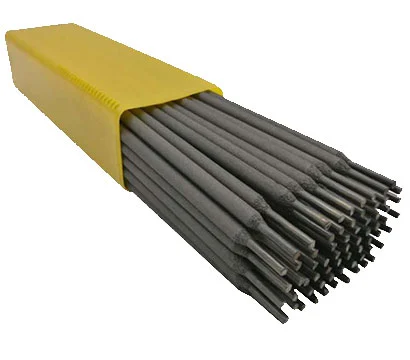
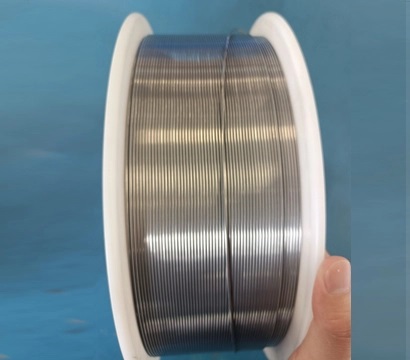
ENiCrMo-3 and ENiCrFe-3 are both high-performance nickel alloy welding rods, but they are designed for different welding challenges. ENiCrMo-3 welding rod is mainly used for corrosion-resistant applications involving harsh chemicals, seawater, and high-temperature environments, while ENiCrFe-3 welding rod is widely selected for cast iron repair, dissimilar metal welding, and general nickel alloy fabrication. Choosing between these two nickel welding rods depends on the base material, service environment, corrosion requirements, and mechanical performance needed.
For welders, fabricators, and industrial buyers sourcing nickel welding electrodes, understanding the differences between ENiCrMo-3 and ENiCrFe-3 helps ensure better weld quality, longer service life, and reduced maintenance costs.
What Are ENiCrMo-3 and ENiCrFe-3 Nickel Welding Rods?
Nickel alloy welding rods are specialized electrodes designed to join nickel alloys, stainless steels, carbon steels, and other difficult-to-weld metals. Nickel-based materials are widely used in demanding industrial environments because of their excellent strength, corrosion resistance, and performance at elevated temperatures, similar to properties found in nickel-based superalloys.
ENiCrMo-3 Welding Rod Overview
ENiCrMo-3 is a nickel-chromium-molybdenum welding electrode commonly associated with AWS ENiCrMo-3 welding electrode. It contains high levels of nickel, chromium, and molybdenum, giving it excellent resistance against pitting, crevice corrosion, and stress corrosion cracking.
The ENiCrMo-3 welding rod is often used for:
Nickel alloy welding. Corrosion-resistant equipment manufacturing. Chemical processing equipment. Offshore and marine applications. High-temperature industrial components.
Because of its molybdenum content, ENiCrMo-3 performs especially well in environments containing chlorides, acids, and aggressive chemicals.
ENiCrFe-3 Welding Rod Overview
ENiCrFe-3 is a nickel-chromium-iron welding electrode designed for welding nickel alloys, stainless steels, and dissimilar metals. Compared with ENiCrMo-3, it contains more iron and less molybdenum, making it a versatile option for general industrial welding applications.
Common ENiCrFe-3 welding rod applications include:
Welding nickel-based alloys. Repairing cast iron components. Joining stainless steel to carbon steel. Maintenance welding. General fabrication work
Its stable arc performance and good weld appearance make it a popular choice for repair welding and industrial maintenance.
ENiCrMo-3 vs ENiCrFe-3: Key Differences
Although both electrodes belong to the nickel welding rod category, their chemical composition and performance characteristics create important differences.
Feature | ENiCrMo-3 Welding Rod | ENiCrFe-3 Welding Rod |
Main Alloy Elements | Nickel, Chromium, Molybdenum | Nickel, Chromium, Iron |
Corrosion Resistance | Excellent, especially against acids and chlorides | Good general corrosion resistance |
High Temperature Performance | Superior | Good |
Welding Difficulty | Requires more controlled welding conditions | Easier for general applications |
Main Uses | Chemical, marine, nuclear, severe corrosion environments | Repair welding, stainless steel, dissimilar metals |
Weldability | Professional industrial welding | More versatile and user-friendly |
The biggest difference is corrosion resistance. Understanding corrosion resistance is important because alloy composition directly affects how welding materials perform in acidic, chloride, and marine environments.
The molybdenum addition in ENiCrMo-3 provides stronger protection against localized corrosion, making it suitable for demanding environments.
ENiCrFe-3, on the other hand, offers better versatility and is commonly selected when welding different types of metals together.
ENiCrMo-3 Welding Rod Applications
ENiCrMo-3 is preferred when welding performance must remain stable under extreme conditions.
Chemical Processing Equipment
Chemical plants often use nickel alloy welding electrodes because equipment may face acids, salts, and corrosive chemicals. ENiCrMo-3 provides excellent resistance against these aggressive environments.
Typical applications include: Reactors. Heat exchangers. Storage tanks. Piping systems.
Marine and Offshore Industries
Seawater exposure creates severe corrosion risks. ENiCrMo-3 welding rods are widely used for marine components where chloride resistance is critical.
Applications include: Offshore platforms. Marine pipelines. Seawater processing systems.
High-Temperature Equipment
Nickel alloy welding rods are commonly used in industries requiring strength at elevated temperatures.
ENiCrMo-3 is suitable for: Furnace components. Heat treatment equipment. High-temperature processing systems.
For industrial projects requiring reliable nickel alloy welding solutions, manufacturers such as AMH Weld provide nickel welding electrodes designed for demanding applications.
ENiCrFe-3 Welding Rod Applications
ENiCrFe-3 is known for its flexibility and is widely used in maintenance and repair welding.
Dissimilar Metal Welding
One of the major advantages of ENiCrFe-3 is its ability to join different metals. It can be used when welding: Stainless steel to carbon steel. Nickel alloys to steel. Different alloy systems requiring compatible filler metal.
This makes it valuable for industrial repair work where multiple materials are involved.
Cast Iron Repair Welding
ENiCrFe-3 welding rods are often selected for cast iron repair because nickel-based weld metal provides good machinability and reduces cracking risks.
Common repair applications include: Engine parts. Machine bases. Industrial cast components.
For more specialized repair requirements, buyers can explore AMH Weld’s range of nickel alloy welding electrodes suitable for industrial maintenance and fabrication.
General Industrial Fabrication
ENiCrFe-3 is widely used in workshops and fabrication plants because it offers stable welding performance and good weld appearance.
How to Choose Between ENiCrMo-3 and ENiCrFe-3?
The correct nickel welding rod depends mainly on the working environment and base material.
Choose ENiCrMo-3 welding rod when: The application involves strong acids or chlorides. Maximum corrosion resistance is required. Equipment operates under high temperatures. Long-term durability is the priority.
Choose ENiCrFe-3 welding rod when:
Welding different metals together. Repairing cast iron components. General maintenance welding is needed. Easier welding operation is preferred.
Before selecting an electrode, consider:
1. Base metal composition.
2. Operating temperature.
3. Corrosion exposure.
4.Required mechanical strength.
5. Welding position and process requirements.
A professional nickel welding rod supplier can help match the correct electrode grade with the application requirements.
ENiCrMo-3 vs ENiCrFe-3 Selection Guide
Application Requirement | Recommended Welding Rod |
Strong acid corrosion resistance | ENiCrMo-3 |
Chloride and seawater environment | ENiCrMo-3 |
Chemical processing equipment | ENiCrMo-3 |
Cast iron repair | ENiCrFe-3 |
Stainless steel and carbon steel joining | ENiCrFe-3 |
General industrial maintenance | ENiCrFe-3 |
High-temperature corrosion applications | ENiCrMo-3 |
Dissimilar metal welding | ENiCrFe-3 |
For buyers looking for reliable welding consumables, AMH Weld offers various industrial welding solutions, including nickel welding rods, nickel alloy electrodes, and other specialty welding products designed for different industrial applications.
FAQ About ENiCrMo-3 and ENiCrFe-3 Nickel Welding Rods
Q1: What is ENiCrMo-3 welding rod used for?
ENiCrMo-3 welding rod is mainly used for welding nickel alloys and corrosion-resistant applications, including chemical processing equipment, marine systems, and high-temperature industrial components.
Q2: What is the difference between ENiCrMo-3 and ENiCrFe-3?
The main difference is chemical composition and application focus. ENiCrMo-3 contains more molybdenum and provides superior corrosion resistance, while ENiCrFe-3 contains more iron and offers better versatility for repair and dissimilar metal welding.
Q3: Can ENiCrFe-3 welding rod be used for cast iron?
Yes. ENiCrFe-3 is commonly used for cast iron repair because nickel-based weld metal helps reduce cracking and provides good machining properties.
Q4: Which nickel welding rod is better for corrosion resistance?
ENiCrMo-3 generally provides better corrosion resistance, especially in environments containing acids, chlorides, and seawater.
Q5: How do I select the right nickel alloy welding electrode?
Selection should be based on the base metal, service environment, temperature requirements, and corrosion conditions. For severe corrosion applications choose ENiCrMo-3; for general repair and mixed-metal welding choose ENiCrFe-3.
Conclusion
ENiCrMo-3 and ENiCrFe-3 are both valuable nickel welding rods, but they serve different industrial needs. ENiCrMo-3 is the better choice for extreme corrosion resistance, chemical processing, and high-temperature applications. ENiCrFe-3 provides greater flexibility for repair welding, cast iron applications, and dissimilar metal joining.
By understanding the differences between ENiCrMo-3 and ENiCrFe-3, engineers and purchasing teams can select the right nickel alloy welding electrode for improved weld performance, durability, and cost efficiency.
References
Nickel-Based Superalloy – Wikipedia
https://en.wikipedia.org/wiki/Nickel-based_superalloy
Corrosion Resistance – Wikipedia
https://en.wikipedia.org/wiki/Corrosion_resistance