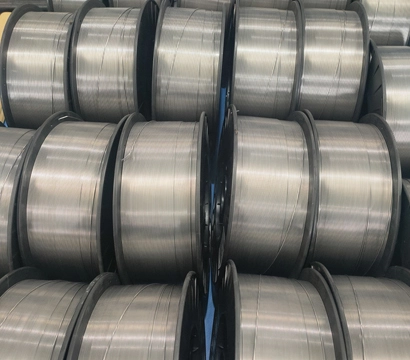
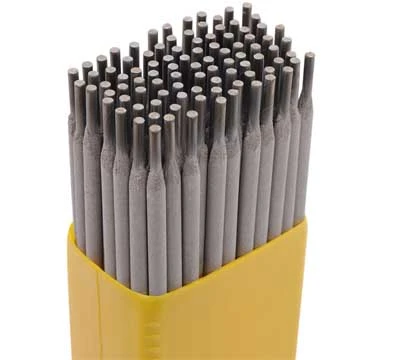
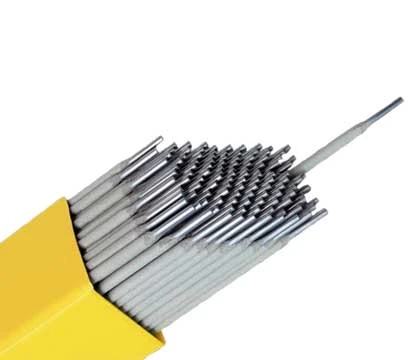
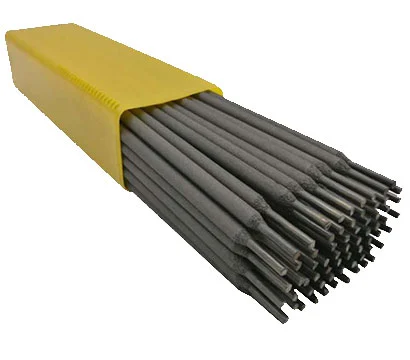
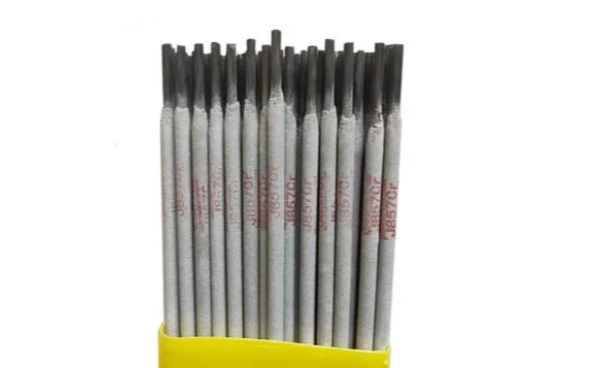
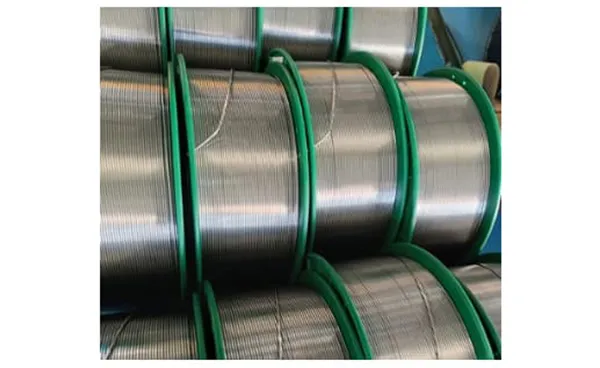
A welding electrode is an electrically conductive component used to establish and maintain the welding arc between the welding system and the workpiece. Depending on the welding process, the electrode may melt and become part of the weld deposit, or it may remain largely non-consumable while a separate filler metal is added.
For example, covered electrodes used in stick welding and wire electrodes used in MIG welding are consumable. In TIG welding, however, a tungsten electrode primarily carries the welding current and is classified as non-consumable. Understanding this distinction is the first step toward choosing the correct electrode, filler metal and welding process for a specific application.
Quick Answer: Welding Electrode Basics
| What is a welding electrode? | A conductive component used to establish and maintain the welding arc. |
| Does every electrode melt? | No. Stick and MIG electrodes are consumable, while TIG tungsten electrodes are non-consumable. |
| What is a stick electrode made of? | A metallic core wire surrounded by a flux coating. |
| What does flux coating do? | It helps stabilize the arc, protects the molten weld pool and forms slag during SMAW. |
| Is a welding rod always an electrode? | No. The terms overlap in stick welding, but a TIG filler rod supplies filler metal without serving as the arc electrode. |
| Common examples | E6013, E7016 and E7018 covered electrodes, MIG wire electrodes and TIG tungsten electrodes. |
What Is a Welding Electrode?
The main function of a welding electrode is to conduct electrical current so that an arc can be created between the electrode and the workpiece. The heat generated by this arc makes it possible to melt and join the required materials.
What happens to the electrode itself depends on the process. In SMAW or stick welding, the covered electrode melts and supplies filler metal to the joint. In GMAW or MIG welding, a continuously fed wire serves as both the electrode and filler metal. In GTAW or TIG welding, a non-consumable tungsten electrode establishes the arc, while filler metal can be added separately when required.
This is why the terms welding electrode, welding rod, welding wire and filler metal should not automatically be treated as identical. Their meanings depend on the welding process and the role each material performs.
What Is a Stick Welding Electrode Made Of?
A covered electrode used for shielded metal arc welding generally consists of two main components: a metallic core wire and a surrounding flux coating.
1. Core Wire
The core wire conducts welding current and, as the covered electrode melts, contributes metal to the weld deposit. Its chemistry is selected together with the coating formulation to help produce the required deposited-weld properties.
2. Flux Coating
The flux coating performs several functions during stick welding. Depending on the electrode formulation, it helps stabilize the arc, creates shielding around the molten weld pool, forms a protective slag layer and may introduce deoxidizers, alloying additions or ingredients that influence operating characteristics.
Important:The core-wire-and-flux construction described above applies specifically to covered stick electrodes. Other electrode types have different structures. For example, TIG welding uses a tungsten electrode without this type of consumable flux coating.
How Does a Welding Electrode Work?
The exact mechanism varies between welding processes. In shielded metal arc welding, a covered stick electrode works through the following sequence:
| 01 | The electrode is connected to the welding power source and positioned near the workpiece. |
| 02 | The welder strikes the arc by bringing the electrode into contact with the workpiece and then establishing the required arc gap. |
| 03 | Arc heat melts the end of the consumable electrode and the required portion of the base metal, creating a molten weld pool. |
| 04 | The flux coating reacts under arc heat and helps provide shielding and slag protection for the molten metal. |
| 05 | As the electrode travels along the joint, molten metal solidifies behind the arc and forms the weld bead. |
| 06 | After the bead cools sufficiently, the slag created by the coating is removed where applicable. |
How TIG Is Different:In TIG welding, the tungsten electrode is non-consumable and primarily establishes the arc. When additional filler metal is required, it is normally introduced separately rather than coming from the tungsten electrode itself.
Consumable vs Non-Consumable Welding Electrodes
One of the simplest ways to understand welding electrode types is to divide them into consumable and non-consumable electrodes.
| Category | What Happens During Welding? | Examples |
|---|
| Consumable Electrode | The electrode melts during welding and contributes metal to the weld. | SMAW covered electrode, MIG/GMAW wire, flux-cored wire |
| Non-Consumable Electrode | The electrode primarily conducts current and maintains the arc rather than serving as the normal source of filler metal. | Tungsten electrode used in GTAW/TIG |
For a more detailed explanation of SMAW, MIG, FCAW and TIG electrodes, coating groups and application-based classifications, read our Types of Welding Electrodes guide.
Electrode vs Welding Rod vs Filler Metal: What Is the Difference?
These terms are often used interchangeably in everyday welding conversations, but they do not always describe the same function.
| Term | Main Meaning | Consumed? | Example |
|---|
| Electrode | Conducts welding current and establishes the arc. | May or may not be | E7018 or TIG tungsten |
| Welding Rod | Common informal term for a stick electrode or separate filler rod. | Usually | E6013 stick rod or TIG filler rod |
| Filler Metal | Metal intentionally added to the weld joint to help form the completed weld. | Yes | Separate TIG filler rod |
| Welding Wire | Continuous wire used in processes such as GMAW and FCAW. | Normally yes | MIG solid wire or flux-cored wire |
What Do Welding Electrode Numbers Mean?
Covered welding electrodes are commonly identified by classifications such as E6013, E7016 and E7018. These codes provide important information about characteristics such as tensile-strength class, welding-position capability and usability.
For example, the common carbon-steel covered-electrode classification E7018 can be read as follows:
| E | Identifies the product as an electrode. |
| 70 | Indicates the 70 ksi minimum tensile-strength class. |
| 1 | Indicates all-position welding capability under the classification. |
| 8 | Relates to the coating and current-usability characteristics of the electrode classification. |
Electrode classification systems can become more complex for low-alloy, stainless steel, nickel-alloy, cast-iron and hardfacing consumables. For a deeper explanation, see our welding electrode classification and AWS code guide.
How Do I Know Which Welding Electrode to Use?
A suitable electrode should be selected according to the actual welding requirement rather than simply choosing the most familiar rod number. Start with the following questions:
| ✓ | What base metal are you welding?
Confirm whether the workpiece is carbon steel, low-alloy steel, stainless steel, cast iron, nickel alloy or another material. |
| ✓ | What strength and toughness are required?
Match the consumable to the engineering specification rather than assuming a higher-strength electrode is automatically better. |
| ✓ | What welding position will be used?
Check whether the electrode classification is suitable for flat, horizontal, vertical or overhead welding as required. |
| ✓ | What current and polarity are available?
Some electrodes are designed for specific AC or DC operating conditions, so the electrode must be compatible with the welding power source. |
| ✓ | Does the job have an approved WPS?
For structural, pressure-containing, pipeline and other critical applications, the welding procedure and project specification should control final consumable selection. |
Beginner Tip:For general practice on clean mild steel, E6013 is commonly considered an easy-operating option. Low-hydrogen electrodes such as E7016 or E7018 may be required for structural or other specified applications. Always match the electrode to the actual base metal, power source and welding requirement.
Common Mistakes When Using Welding Electrodes
1. Choosing an Electrode Without Checking the Base Metal
An electrode suitable for mild steel may not be appropriate for cast iron, stainless steel or a low-alloy pressure component. Always identify the base-metal grade first.
2. Ignoring Current and Polarity
Electrode usability varies by classification. Using an electrode on an unsuitable power-source setting can result in poor arc behavior and welding performance.
3. Selecting Diameter Without Considering the Joint
Electrode diameter should be considered together with material thickness, joint design, welding position, current range and procedure requirements.
4. Allowing Moisture-Sensitive Electrodes to Absorb Moisture
Low-hydrogen electrodes require appropriate storage and handling. Storage, exposure and rebaking requirements should follow the specific manufacturer's technical data and applicable welding procedure.
5. Confusing Electrode Type With Filler-Metal Type
A material can be filler metal without being the arc electrode. TIG filler rod is a common example: the tungsten electrode creates the arc, while filler metal is introduced separately when required.
Welding Electrode FAQs
1. What is an electrode in welding?
A welding electrode is an electrically conductive component used to establish and maintain the welding arc. In consumable-electrode processes, it may also melt and become part of the weld deposit.
2. What is the main function of a welding electrode?
Its primary electrical function is to carry current and create the welding arc. In processes such as SMAW and GMAW, the electrode also supplies filler metal as it is consumed.
3. Are all welding electrodes consumable?
No. Stick electrodes, MIG wire and flux-cored wire are consumable electrodes. Tungsten electrodes used in TIG welding are classified as non-consumable and normally do not provide the filler metal.
4. What is the difference between an electrode and a welding rod?
A welding electrode is defined by its role in conducting welding current. “Welding rod” is a broader informal term that may describe a covered stick electrode or a separate filler rod. A TIG filler rod, for example, is filler metal but is not the tungsten electrode that establishes the arc.
5. What is the difference between a welding electrode and filler metal?
The electrode conducts current and establishes the arc, while filler metal is material intentionally added to the weld. In some processes, such as MIG and stick welding, the electrode also serves as filler metal. In TIG welding, these functions are normally separated.
6. Why are stick welding electrodes coated?
The flux coating helps control the welding arc and protect the molten weld. Depending on the electrode formulation, it contributes shielding, slag formation, deoxidation and other characteristics needed for the intended welding application.
7. What happens if I use the wrong welding electrode?
An unsuitable electrode may result in poor arc behavior, inadequate mechanical properties, inappropriate penetration or incompatibility with the base metal and welding procedure. Critical applications should always follow the applicable specification and approved WPS.
8. How do I know which electrodes my welder can use?
Check the welding machine's supported process, AC/DC output, polarity capability and usable current range, then compare those conditions with the electrode manufacturer's recommendations. Electrode selection should also match the base metal, diameter and required welding position.
Learn More About Welding Electrode Selection
Understanding what a welding electrode does is the foundation for choosing the correct welding consumable. The next step is to compare electrode types, coating systems, AWS classifications and application requirements.
Continue with our Types of Welding Electrodes guide,
review the complete Minghua welding electrode range,
or contact Minghua with your base-metal grade, electrode classification, diameter, quantity and welding requirements.