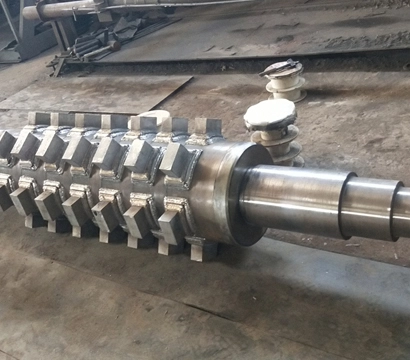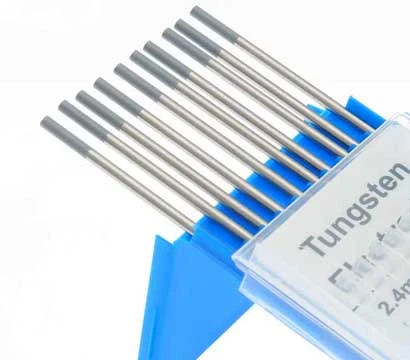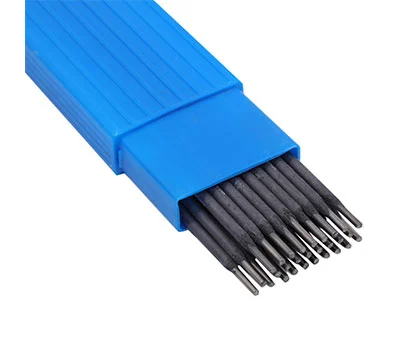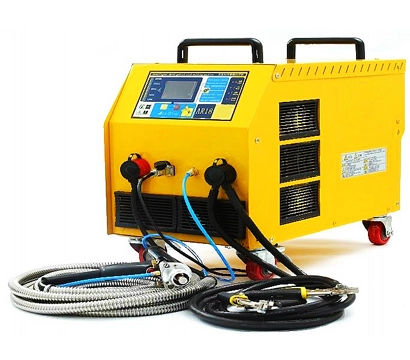
A hardfacing welding rod is a covered electrode used to deposit a wear-resistant alloy layer onto a new or worn metal component. The correct electrode should be selected according to the actual wear mechanism, required hardness, impact load, base metal, operating temperature and welding procedure.
Choosing only the hardest available rod can lead to cracking, poor bonding or premature failure. A successful hardfacing repair balances abrasion resistance, toughness and compatibility with the component being rebuilt.
This guide explains how to compare hardfacing welding rods for gears, excavator parts, mining machinery, agricultural equipment, tools and forging dies.
1. Identify the Main Wear Mechanism
The first step is to determine how the component is wearing. Different wear conditions require different deposited-metal properties, and many industrial parts experience more than one type of wear at the same time.
Abrasive Wear
Abrasive wear occurs when sand, rock, ore, soil or other hard particles move across the metal surface and remove material. Examples include excavator components, mining equipment, screw conveyors and earthmoving parts.
For severe abrasion with relatively limited impact, a high-alloy or carbide-containing deposit may be suitable. Minghua’s D707 tungsten carbide welding rod is intended for applications where strong abrasive-wear resistance is required.
Impact Wear
Impact wear is caused by repeated blows, shock loads or falling material. A deposit that is very hard but brittle may crack or break away under heavy impact.
For parts exposed to both abrasion and impact, select an electrode that provides sufficient toughness instead of choosing the highest HRC value automatically.
Metal-to-Metal Wear
Metal-to-metal wear occurs when two metallic surfaces slide, roll or rub against each other. Typical examples include gears, shafts, rollers, guide surfaces and selected machine components.
A chromium-molybdenum deposit such as the D212 CrMo hardfacing electrode may be considered for rebuilding worn machinery surfaces, subject to the base material and approved repair procedure.
Heat and Tool Wear
Hot forging dies, cutting edges and forming tools may experience heat, pressure, impact and metal-to-metal contact. These applications require an alloy designed for tool or die repair rather than a general abrasion electrode.
The D307 hardfacing welding rod is designed for surfacing worn tools and medium-carbon steel tool edges, while the D337 hardfacing electrode is intended for repairing hot-forging dies made from cast or forged steel.
2. Balance HRC Hardness and Toughness
HRC indicates deposit hardness, but it does not provide a complete measure of service performance. Two hardfacing deposits with a similar Rockwell hardness may perform differently because of their alloy composition, carbide structure, toughness, dilution and welding procedure.
Higher hardness is generally useful against sliding abrasion, but it may also reduce impact resistance and machinability. A lower-hardness deposit with better toughness can perform more reliably on a component exposed to shock or repeated bending.
| Service Requirement | Preferred Deposit Characteristic | Main Risk to Avoid |
|---|---|---|
| Severe abrasion with limited impact | High hardness and carbide-rich structure | Brittle cracking under unexpected impact |
| Combined abrasion and impact | Balanced hardness and toughness | Selecting hardness without considering shock load |
| Metal-to-metal wear | Good bonding, toughness and moderate wear resistance | Galling, cracking or poor compatibility |
| Hot tool and die repair | Hot hardness and resistance to thermal cycling | Using a general-purpose abrasion electrode |
| Machinable build-up layer | Moderate hardness with suitable machinability | Applying a deposit that can only be ground |
Ask the supplier whether the stated hardness is measured on a single layer or multiple layers, in the as-welded condition or after heat treatment. The first layer is often affected by dilution from the base metal and may not reach the same properties as later layers.
The American Welding Society also recommends considering the base metal, wear mechanism, welding process and application details together when selecting a hardfacing system. For further background, see the AWS hardfacing best-practice guide.
3. Match the Rod to the Base Metal and Welding Conditions
The hardfacing alloy must be compatible with the component material and repair procedure. Carbon content, alloy grade, component thickness and previous heat treatment can all affect cracking risk and weldability.
Before selecting an electrode, confirm:
The base metal grade or approximate chemical composition
The component thickness and overall size
Whether the part is cast, forged or previously welded
The presence of existing cracks or work-hardened material
The operating temperature and impact level
Whether the finished deposit must be machined or ground
The available AC or DC welding power source
Preheating and Interpass Temperature
Thick, restrained or higher-carbon parts may require preheating to reduce cooling speed and cracking risk. The required temperature must be determined from the base material, electrode type, component geometry and qualified welding procedure.
Interpass temperature should also be controlled. Excessive heat can alter the deposit structure, increase distortion or affect the properties of the component.
Build-Up and Buffer Layers
Deeply worn parts should not always be filled entirely with a highly alloyed hardfacing electrode. A compatible build-up or buffer layer may first be used to restore the component shape and provide a tougher foundation for the final wear-resistant layer.
This approach can reduce dilution and help prevent a brittle deposit from being applied directly onto an unsuitable base metal. TWI notes that dilution between the hardfacing layer and substrate can influence both wear and corrosion performance. Read more in the TWI weld hardfacing overview.
4. Hardfacing Welding Rod Selection Table
The following table provides a practical starting point for comparing Minghua hardfacing electrodes. Final selection should be confirmed against the current technical data sheet, base metal and service condition.
| Electrode | Deposit or Alloy Type | Typical Selection Direction | Important Consideration |
|---|---|---|---|
| D212 | CrMo hardfacing deposit | General rebuilding of worn gears, excavator parts and machinery surfaces | Confirm deposit hardness, base-metal compatibility and preheating requirements |
| D307 | Cr-W-V alloyed deposit | Worn tools, cutting edges and selected medium-carbon steel tool components | Uses a low-hydrogen coating and requires the specified DC polarity |
| D337 | Chromium-tungsten die-repair deposit | Surfacing and repair of cast-steel or forged-steel hot-forging dies | Confirm preheat, interpass temperature and post-weld cooling procedure |
| D608 | Graphite-coated CrMo cast-iron surfacing deposit | Selected wear parts requiring a high-alloy cast-iron type deposit | Confirm impact level, machining method and DCEP operating requirements |
| D707 | Tungsten carbide hardfacing deposit | Severe abrasive-wear applications in mining and earthmoving equipment | Not automatically suitable for parts exposed to heavy repeated impact |
| MH-HFD322 | Cr-Mo-W-V alloyed deposit | Alloy hardfacing applications requiring a tungsten-containing deposited metal | Confirm the required hardness, wear mechanism and application in the current TDS |
This table should not be treated as a substitute for a welding procedure. Send the worn-part material, operating condition and required service life to the supplier before placing a bulk order.
5. Select by Application and Prepare the Repair Correctly
Gears and Metal-to-Metal Wear Parts
For worn gear surfaces and general machinery components, start by checking the base steel, tooth condition and required machinability. A CrMo electrode such as D212 may be considered for general repair, but severe tooth damage may require crack removal and a compatible build-up layer first.
Excavator and Mining Components
Bucket parts, earthmoving components and mining wear surfaces may experience both abrasion and impact. D707 may be considered for severe abrasive wear, while another tougher alloy may be more suitable where impact is dominant.
Tools and Cutting Edges
Tool edges require a deposit that can maintain hardness while resisting chipping. D307 is intended for selected tool and edge-repair applications. The final choice should consider the tool material, service temperature and whether machining is required after welding.
Hot-Forging Dies
Hot-forging dies experience pressure, thermal cycling and metal-to-metal contact. D337 is specifically positioned for repairing cast- or forged-steel forging dies, but temperature control and the complete welding procedure are critical.
Surface Preparation Checklist
Identify the base metal and dominant wear mechanism.
Remove oil, rust, paint, scale and contaminated material.
Grind out visible cracks and damaged metal.
Determine whether a build-up or buffer layer is required.
Confirm preheat and interpass temperature.
Select the correct electrode diameter, current and polarity.
Apply the recommended number of hardfacing layers.
Control cooling and inspect the finished deposit.
Information to Provide When Requesting a Quote
To receive a useful product recommendation, provide:
Part name and base material
Main wear type: abrasion, impact, metal-to-metal or heat
Operating temperature
Current service life and expected improvement
Required deposit hardness, if specified
Electrode diameter and estimated quantity
Photos or drawings of the worn component
Available welding machine and power supply
Conclusion
The best hardfacing welding rod is not always the electrode with the highest HRC. Reliable selection begins with the wear mechanism and then considers impact, base metal, dilution, operating temperature, machinability and welding procedure.
Use D212 for selected general CrMo repair applications, D307 for tool edges, D337 for forging dies, D707 for severe abrasive wear and other alloyed electrodes where their technical data matches the service condition. A test weld and qualified procedure are recommended before production-scale repair.
Frequently Asked Questions
What is the best hardfacing welding rod for abrasion?
A carbide-containing or high-alloy electrode may be suitable for severe abrasion with limited impact. D707 is a tungsten carbide option, but the final choice must consider impact load, base metal and deposit thickness.
Does a higher HRC always provide better wear resistance?
No. HRC measures hardness but does not fully represent toughness, carbide structure, dilution or resistance to a specific wear mechanism. A very hard deposit may crack under heavy impact.
How many hardfacing layers should be applied?
The permitted number of layers depends on the electrode, base metal and repair design. Deep wear may require a compatible build-up layer before one or more final hardfacing layers.
Do hardfacing electrodes require preheating?
Preheating may be required for thick, restrained, higher-carbon or alloy-steel parts. The correct temperature should be determined from the base metal and qualified welding procedure.
What is the difference between D212 and D707?
D212 is a CrMo hardfacing electrode used for selected general wear repairs, while D707 deposits tungsten carbide and is intended for more severe abrasive-wear conditions.
What information is needed to choose a hardfacing rod?
Provide the base metal, part name, wear mechanism, impact level, operating temperature, desired hardness, required machinability and photos or drawings of the worn component.
Need Help Selecting a Hardfacing Welding Rod?
Send Minghua your worn-part material, wear condition, required hardness and order quantity for a suitable electrode recommendation.
Request a Hardfacing Electrode Recommendation