Choosing between Co 1, Co 6, Co 12 and Co 21 cobalt welding rods is not simply a matter of selecting the grade with the highest hardness. These cobalt-base surfacing alloys have different carbon, tungsten and molybdenum contents, which affect their hardness, abrasion resistance, impact response, sliding-wear behavior and suitability for elevated-temperature service.
In Minghua's current cobalt welding rod range, the four commonly compared grades are RCoCr-C (Co 1), RCoCr-A (Co 6), RCoCr-B (Co 12) and RCoCr-E (Co 21). Their listed hardness ranges extend from approximately 28–40 HRC for Co 21 to 51–56 HRC for Co 1.
This guide compares Co 1 vs Co 6 vs Co 12 vs Co 21 by hardness, alloy chemistry, dominant wear mechanism and typical component application so maintenance engineers, valve manufacturers, hardfacing users and industrial buyers can select a more appropriate cobalt alloy.
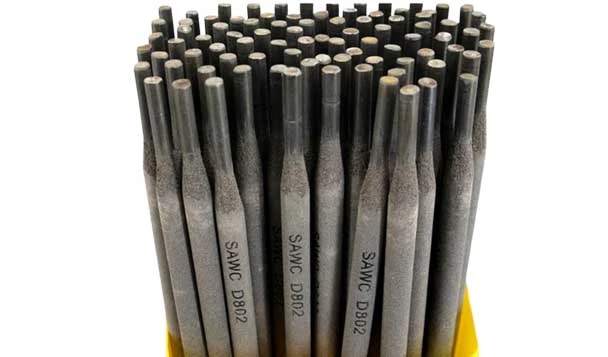
Cobalt welding rods are commonly selected according to hardness, wear mechanism, corrosion conditions and operating temperature.
Quick Answer: Co 1 vs Co 6 vs Co 12 vs Co 21
As a practical starting point, Co 1 offers the highest listed hardness of these four grades, Co 6 provides balanced all-round wear performance, Co 12 combines relatively high hardness with strong abrasion resistance, while Co 21 has lower as-deposited hardness but is particularly relevant where sliding wear, galling, cavitation, corrosion or thermal shock are important.
| Grade | AWS Classification | Minghua HRC | General Selection Focus |
|---|
| Co 1 | RCoCr-C / ERCoCr-C | 51–56 HRC | Severe abrasion, cutting edges and high-wear surfaces |
| Co 6 | RCoCr-A / ERCoCr-A | 40–45 HRC | Balanced wear, impact, corrosion and valve applications |
| Co 12 | RCoCr-B / ERCoCr-B | 46–51 HRC | Abrasive wear, shear edges, saw teeth and high-pressure valves |
| Co 21 | RCoCr-E / ERCoCr-E | 28–40 HRC* | Sliding wear, galling, cavitation and thermal/mechanical shock |
*Hardness values above are based on Minghua's current cobalt welding rod product data. Actual deposited hardness can be affected by welding process, dilution, heat input, layer thickness and base-metal conditions.
What Are Co 1, Co 6, Co 12 and Co 21 Cobalt Welding Rods?
Co 1, Co 6, Co 12 and Co 21 belong to a family of cobalt-chromium surfacing alloys used where component surfaces must resist combinations of wear, heat, corrosion, galling or erosion. They are commonly applied as overlay or repair materials rather than selected only for joining two structural components.
Under the AWS A5.21 system for bare electrodes and rods used for surfacing, cobalt alloys are identified by classifications such as ERCoCr-A, ERCoCr-B, ERCoCr-C and ERCoCr-E. Buyers should confirm the complete classification, product form and welding process before ordering.
For additional background on the classification system, refer to the American Welding Society A5 filler-metal specifications .
Why Hardness Alone Does Not Determine the Best Cobalt Alloy
A higher HRC value can improve resistance to some abrasive wear conditions, but it does not automatically make an alloy better for every component.
Valve seats, pump parts, cutting edges and hot-working tools can experience very different combinations of abrasion, metal-to-metal sliding, impact, cavitation, corrosion and thermal cycling. Alloy selection should therefore begin with the dominant failure mechanism, not simply with the hardest available cobalt rod.
Co 1 / RCoCr-C: Highest Hardness for Severe Wear
Minghua's current Co 1 product data lists a hardness range of 51–56 HRC, making it the hardest of the four cobalt grades compared in this guide. Its nominal composition also contains substantially more carbon and tungsten than Co 6.
This high carbide content makes Co 1 particularly relevant where abrasion and surface wear resistance are major priorities. Minghua lists valve sealing inserts, rotating sealing rings, drill heads and cutting edges among typical applications.
When Co 1 may be appropriate
Consider Co 1 when the service condition is dominated by severe abrasive or erosive wear and high deposited hardness is more important than impact tolerance or ease of machining.
Technical descriptions of comparable cobalt-chromium-tungsten alloys also note that high-carbide Co 1-type materials provide excellent wear resistance but have relatively low ductility. See Deloro's cobalt-alloy wear-selection information for further engineering background.
Co 6 / RCoCr-A: The Balanced General-Purpose Cobalt Alloy
Co 6 is often the starting point when an application requires a balance of wear resistance, corrosion resistance and resistance to mechanical loading rather than maximum hardness alone.
Minghua lists Co 6 at approximately 40–45 HRC. Compared with Co 1 and Co 12, it contains less carbon and tungsten, which results in a lower listed hardness but a more balanced overall performance profile.
Common Co 6 Applications
Valve seats, hot shear blades, high-temperature valves, turbine components, pump components and other surfaces exposed to combined wear and corrosion.
Why buyers often start with Co 6
It provides a useful middle ground when the service environment involves several wear mechanisms and the application does not justify moving to either a much harder grade or a lower-hardness CoCrMo grade.
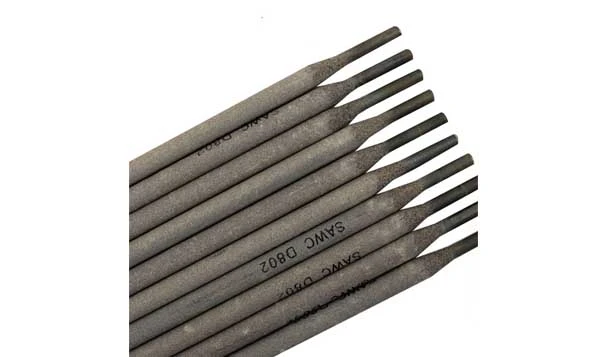
Cobalt-base rods can be selected for wear-resistant overlays on valves, cutting tools, pump parts and other industrial components.
Co 12 / RCoCr-B: Higher Hardness for Abrasive Wear and Cutting Surfaces
Co 12 sits between Co 6 and Co 1 in Minghua's current hardness data, with a listed range of approximately 46–51 HRC.
Its nominal tungsten and carbon levels are higher than Co 6, which makes Co 12 particularly relevant where stronger resistance to abrasive wear and edge deterioration is required but the application does not necessarily require the maximum hardness of Co 1.
Typical Selection Scenarios
High-pressure valves, shear edges, saw teeth and other components where wear-resistant edges or surfaces operate under elevated-temperature or corrosive conditions.
Co 12 vs Co 6
Co 12 generally shifts the selection toward higher deposited hardness and abrasion resistance, while Co 6 is more often selected as an all-round wear alloy. Actual suitability still depends on impact, dilution, corrosion and operating temperature.
Co 21 / RCoCr-E: Lower Hardness but Strong Sliding-Wear and Shock Performance
Co 21 differs significantly from Co 1, Co 6 and Co 12 because its chemistry is based on a cobalt-chromium-molybdenum system rather than relying on tungsten as the primary third alloying element.
Minghua lists Co 21 at approximately 28–40 HRC, which is the lowest as-listed hardness among these four grades. That does not mean it is the weakest choice. Co 21-type alloys are particularly important when resistance to galling, sliding wear, cavitation, thermal shock and mechanical shock is more important than extreme abrasive hardness.
Minghua lists fluid valves, brass casting dies and valve seats among typical Co 21 applications.
Important Selection Point
Do not reject Co 21 simply because its initial HRC value is lower. Comparable CoCrMo alloys can work-harden during service and are commonly selected where sliding contact, cavitation or repeated thermal/mechanical shock dominates the failure mode.
How Alloy Chemistry Changes Co 1, Co 6, Co 12 and Co 21 Performance
The differences between these cobalt welding rods are closely related to the amount and type of carbide-forming alloying elements present in the deposit.
| Grade | Cr | W | C | Mo | Practical Effect |
|---|
| Co 1 | 32 | 12 | 2.45 | ≤1 | Very high carbide content and high hardness |
| Co 6 | 30 | 4.5 | 1.2 | ≤1 | Balanced hardness and general wear performance |
| Co 12 | 30 | 8 | 1.4–1.8 | ≤1 | Higher hardness and abrasion emphasis than Co 6 |
| Co 21 | 28 | — | 0.25 | 5.2 | CoCrMo matrix for sliding wear, shock and corrosion-related service |
Nominal composition values above are based on Minghua's current cobalt welding rod product table. Final acceptance should always be based on the applicable product TDS, batch documentation and project specification.
Which Cobalt Welding Rod Should You Choose by Wear Type?
| Service Requirement | Starting Grade | Selection Reason |
|---|
| Severe abrasive wear | Co 1 | Highest listed HRC and high carbide content |
| General valve-seat wear | Co 6 | Balanced wear, corrosion and mechanical performance |
| Cutting and shear edges | Co 12 / Co 1 | Higher hardness and abrasion resistance |
| Sliding wear or galling | Co 6 / Co 21 | Better fit than selecting purely by maximum HRC |
| Cavitation or repeated shock | Co 21 / Co 6 | Relevant where impact and dynamic surface loading matter |
| High-temperature valve components | Co 6 / Co 12 / Co 21 | Final grade depends on wear, corrosion and shock conditions |
Selection Reminder:
The table is a starting point rather than a substitute for a WPS or engineering specification. Component geometry, base metal, dilution, layer count, operating temperature, corrosion medium and impact load can change the correct alloy choice.
Co 1 vs Co 6 vs Co 12 vs Co 21 by Application
Valve Seats and Valve Components
Co 6 is a common starting point for general valve-seat service. Co 12 may be relevant when higher surface hardness is needed, while Co 21 may be considered where sliding, cavitation, corrosion or repeated thermal shock dominates.
Cutting Edges and Shear Blades
Co 1 and Co 12 are natural comparison points because their listed hardness and carbide-forming alloy content are higher than Co 6 and Co 21.
Pump and Rotating Components
The correct cobalt grade depends on whether the dominant failure mode is abrasion, sliding wear, cavitation, corrosion or a combination of these conditions.
Hot-Working and High-Temperature Components
Cobalt alloys are frequently considered where wear protection must be retained at elevated temperature. Final selection should compare hardness retention, thermal cycling, corrosion environment and mechanical loading.
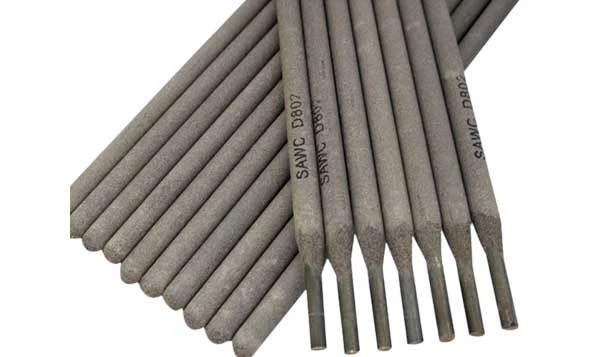
Product form, diameter and welding process should be confirmed together with the required cobalt alloy grade.
Cobalt Welding Rod vs Cobalt Solid Welding Wire
Alloy grade and product form are separate purchasing decisions. A buyer specifying Co 6 or Co 12 should not assume that the same product form can automatically be used in every welding or cladding process.
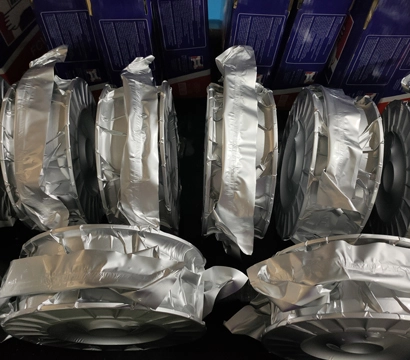
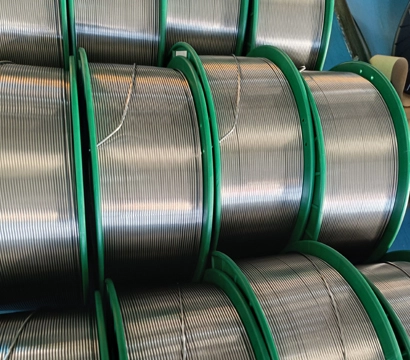
Minghua offers both cobalt welding rod products and a separate cobalt alloy solid welding wire range with Co 1, Co 6, Co 12 and Co 21 options. Buyers should confirm the required rod or wire form, diameter, process, packaging and shielding requirements before ordering.
| Purchasing Item | What to Confirm |
|---|
| Alloy Grade | Co 1, Co 6, Co 12 or Co 21 |
| AWS Classification | ERCoCr-C, ERCoCr-A, ERCoCr-B or ERCoCr-E as applicable |
| Product Form | Straight rod, solid wire or other available form |
| Diameter | Confirm against welding equipment and process requirements |
| Documentation | Product TDS, chemical composition, hardness and batch documentation |
Welding and Surfacing Factors That Can Change Final Hardness
Published alloy hardness is useful for comparison, but the actual deposited layer can behave differently after welding. Several process variables should be controlled.
Dilution
Mixing between the cobalt filler metal and the base material can change the chemistry and hardness of the first deposited layer.
Heat Input
Welding parameters influence bead shape, cooling behavior, dilution and deposited microstructure.
Layer Count
Multi-layer surfacing may reduce the influence of the base metal compared with a heavily diluted first layer.
Preheat and Interpass Control
Requirements depend on the cobalt alloy, base material, component geometry and qualified welding procedure. Do not apply one universal preheat temperature to all cobalt hardfacing applications.
Final Finishing
Higher-hardness cobalt deposits may require grinding or specialized machining methods. Finishing requirements should be considered before the alloy is selected.
Compare Minghua Co 1, Co 6, Co 12 and Co 21 Cobalt Welding Rods
Minghua's current cobalt welding rod range includes RCoCr-C (Co 1), RCoCr-A (Co 6), RCoCr-B (Co 12) and RCoCr-E (Co 21). The current product data lists rod diameters of 3.2 mm, 4 mm and 5 mm with 350 mm length.
Before requesting a quotation, provide the required cobalt grade, product form, diameter, quantity, base material, service temperature and dominant wear mechanism so the product configuration can be checked against the application.
FAQ About Co 1, Co 6, Co 12 and Co 21 Cobalt Welding Rods
1. What is the difference between Co 1, Co 6, Co 12 and Co 21?
The main differences are alloy chemistry, hardness and wear behavior. Minghua currently lists Co 1 at 51–56 HRC, Co 6 at 40–45 HRC, Co 12 at 46–51 HRC and Co 21 at 28–40 HRC. Selection should also consider abrasion, impact, sliding wear, corrosion and temperature.
2. Which cobalt welding rod is the hardest?
Among the four grades in Minghua's current product table, Co 1 has the highest listed hardness at approximately 51–56 HRC.
3. Is Co 6 better than Co 12?
Neither is universally better. Co 6 is generally selected for balanced wear performance, while Co 12 provides higher listed hardness and is often more relevant when abrasive wear and edge retention are priorities.
4. When should I choose Co 1 instead of Co 6?
Co 1 may be more appropriate where severe abrasive wear and maximum deposited hardness are the main concerns and the application does not require the greater all-round balance associated with Co 6.
5. Why is Co 21 softer than Co 1 or Co 12?
Co 21 has much lower carbon and uses a cobalt-chromium-molybdenum alloy system. Its lower as-deposited hardness does not mean poor wear performance; it may be preferable for sliding wear, galling, cavitation and thermal or mechanical shock.
6. Which cobalt alloy is commonly used for valve seats?
Co 6 is a common starting point for valve-seat applications because of its balanced wear and corrosion performance. Co 12, Co 21 or other cobalt grades may be more appropriate where the dominant wear or service condition differs.
7. Are cobalt welding rods the same as hardfacing rods?
Cobalt rods can be used for wear-resistant surfacing and hardfacing, but hardfacing consumables also include iron-based, chromium-carbide, tungsten-carbide and other alloy systems. The correct material depends on the wear mechanism and service environment.
8. What information should I provide when ordering cobalt welding rods?
Provide the required grade or AWS classification, product form, diameter, quantity, base material, operating temperature, corrosion environment and dominant wear mechanism. Critical applications should also reference the applicable WPS and engineering specification.
Select a Cobalt Welding Rod for Your Wear Application
Choosing Co 1, Co 6, Co 12 or Co 21 should begin with the actual wear mechanism, hardness requirement, operating temperature, corrosion environment and component design rather than grade name alone.
View Cobalt Welding Rods
Contact Minghua