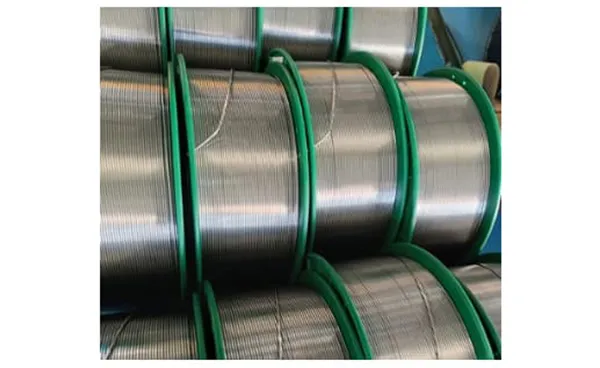
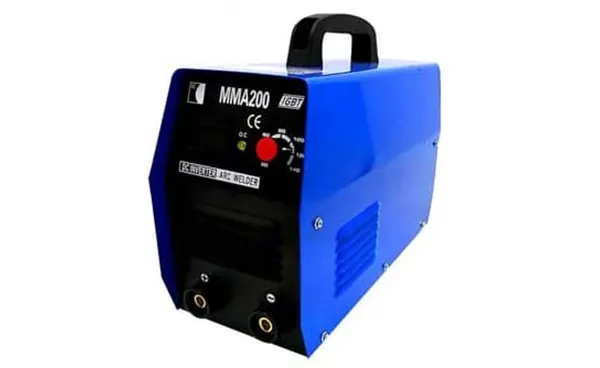
MMA welding and SMAW welding refer to the same basic arc-welding process. MMA stands for Manual Metal Arc welding, while SMAW stands for Shielded Metal Arc Welding. The process is also widely known as stick welding.
The terminology varies by region and industry. “MMA” is commonly used in Europe and other international markets, while “SMAW” is widely used in North American technical standards and welding documentation. “Stick welding” is the common practical name used by many welders and equipment suppliers.
This guide explains MMA vs SMAW welding, how the process works, which electrodes are used, what AC and DC polarity mean, where stick welding is commonly applied, and what industrial buyers should check when selecting an MMA/SMAW welding machine.
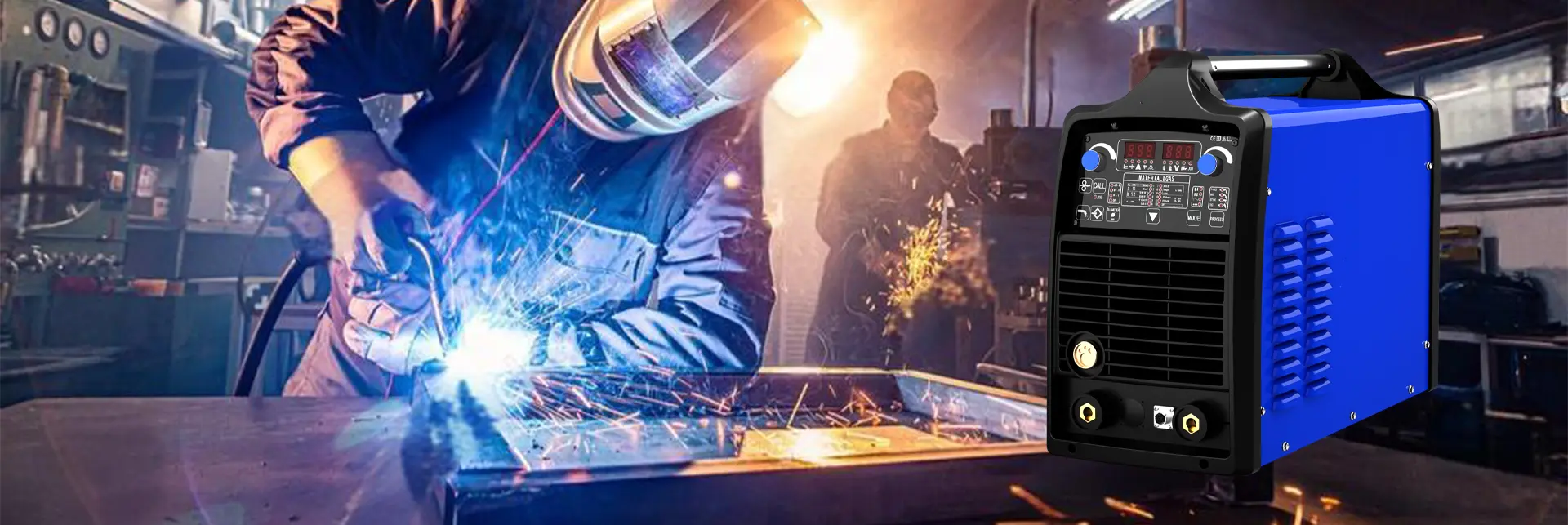
MMA, SMAW and stick welding are different names used for the same shielded metal arc welding process.
Quick Answer: Is MMA the Same as SMAW?
Yes. MMA, SMAW and stick welding normally describe the same welding process: an electric arc is created between a flux-coated consumable electrode and the workpiece.
| Term | Full Name | Common Usage |
|---|
| MMA | Manual Metal Arc Welding | Common international and European terminology |
| SMAW | Shielded Metal Arc Welding | Common North American technical terminology |
| Stick Welding | Common practical name | Widely used by welders, workshops and equipment suppliers |
Technical organizations such as TWI describe Manual Metal Arc welding as MMA/MMAW, SMAW and stick welding, confirming that these terms refer to the same fundamental process.
How Does MMA / SMAW Welding Work?
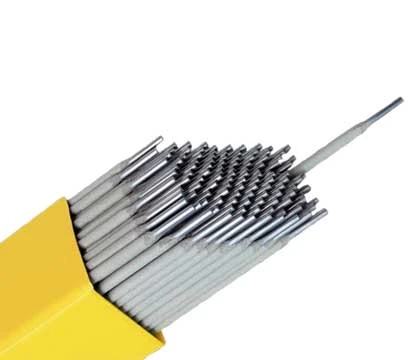
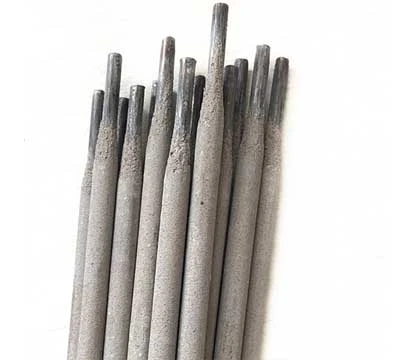
MMA/SMAW is a manual arc-welding process that uses a flux-coated consumable electrode. When the electrode touches the workpiece and the arc is established, electrical energy generates enough heat to melt both the end of the electrode and part of the base metal.
As the electrode coating burns and melts, it produces shielding gases and a layer of slag that help protect the molten weld pool from the surrounding atmosphere. Once the weld cools, the solidified slag is normally removed before inspection or the next welding pass.
1. Power Source → supplies welding current.
2. Electrode Holder → carries current to the coated stick electrode.
3. Electric Arc → melts the electrode and base metal.
4. Flux Coating → creates shielding gases and protective slag.
5. Weld Deposit → solidifies after the arc moves forward.
For a technical explanation of the process, electrode coating and arc behavior, see ESAB's MMA / Stick Welding Guide .
What Equipment Is Needed for MMA / SMAW Welding?
Compared with many other arc-welding processes, the equipment arrangement for stick welding is relatively straightforward.
| Equipment | Function |
|---|
| MMA / SMAW Power Source | Provides controlled AC or DC welding current |
| Electrode Holder | Holds the coated electrode and transfers welding current |
| Welding Cables | Connect the machine, electrode holder and workpiece |
| Work Clamp | Completes the electrical welding circuit |
| Coated Welding Electrode | Carries current and provides filler metal and flux shielding |
| PPE & Fume Control | Supports operator protection and safe welding practices |
TWI's guide to equipment for MMA/SMA welding identifies the power source, electrode holder, welding cables and operator protection as essential parts of the process.
Which Electrodes Are Used for MMA / SMAW Welding?
MMA/SMAW machines use flux-coated stick electrodes. Electrode classification should be selected according to the base metal, required mechanical properties, welding position, available polarity, hydrogen requirements and qualified welding procedure.
| Electrode | General Type | Typical Positioning |
|---|
|
E6013 | Rutile electrode | General fabrication, maintenance and repair |
|
E7016 | Low-hydrogen electrode | Structural and selected critical applications |
|
E7018 | Low-hydrogen iron-powder electrode | Structural steel and fabrication |
Important:
Do not choose electrode diameter solely from the model name of the welding machine. Check the electrode manufacturer's recommended current range and confirm that it falls within the machine's actual output capability.
For a broader explanation of rutile, cellulosic and low-hydrogen electrode groups, see our types of welding electrodes guide .
Does MMA / SMAW Welding Need Shielding Gas?
Normally, no external shielding-gas cylinder is required. The flux coating surrounding the electrode produces gases and slag as it burns, helping protect the weld pool from atmospheric contamination.
This is one reason MMA/SMAW is commonly considered for repair, construction and field welding where transporting shielding-gas cylinders may be inconvenient or where wind could disturb an externally supplied shielding-gas envelope.
MMA / SMAW vs MIG and TIG: What Is the Basic Difference?
MMA and SMAW are two names for the same process, but MIG and TIG are different welding processes with different electrode and shielding arrangements.
| Process | Electrode | Shielding | Typical Strength |
|---|
| MMA / SMAW | Consumable coated stick electrode | Flux-generated gas and slag | Portable field, repair and construction welding |
| MIG / MAG | Continuous wire | External shielding gas | High-productivity fabrication |
| TIG / GTAW | Non-consumable tungsten | External inert shielding gas | High-control and precision welding |
This article focuses on the terminology and practical selection of MMA/SMAW equipment rather than attempting to rank one welding process as universally better than another. Process selection depends on material, joint design, production environment, quality requirements and welding procedure.
Can MMA / SMAW Welding Use AC and DC?
MMA/SMAW can use AC or DC depending on the welding machine and electrode classification. However, not every electrode is designed for every current type or polarity.
DCEP — Direct Current Electrode Positive
The electrode holder is connected to the positive output terminal where specified by the electrode and welding procedure.
DCEN — Direct Current Electrode Negative
The electrode holder is connected to the negative terminal when the selected electrode and procedure permit DCEN operation.
AC — Alternating Current
AC-compatible electrodes can be used with suitable AC welding power sources. Always confirm the electrode classification and manufacturer's recommended current before welding.
ESAB provides a useful introduction to polarity in stick welding
for users who need additional background on DCEP, DCEN and AC operation.
Where Is MMA / SMAW Welding Commonly Used?
The combination of relatively simple equipment, portable power sources and flux-coated electrodes makes MMA/SMAW useful across a wide range of workshop and field applications.
Construction and structural repair
Pipeline and field welding
Equipment maintenance and repair
Agricultural machinery maintenance
Workshop fabrication
Outdoor or remote job-site welding where appropriate procedures are used
How to Choose an MMA / SMAW Welding Machine
Machine selection should be based on technical specifications and actual welding requirements rather than names such as “MMA 200,” “MMA 250” or “ZX7” alone.
| Selection Factor | What to Check |
|---|
| Input Voltage | 220V, 380V, single-phase or three-phase supply |
| Actual Output Range | Confirm the published amperage range rather than relying on model number |
| Duty Cycle | Evaluate workload and duty-cycle rating at the relevant current |
| Electrode Requirements | Match electrode diameter, current range and polarity |
| Portability | Consider machine weight, size and job-site movement |
| Workload | Repair, workshop fabrication or higher-output industrial welding |
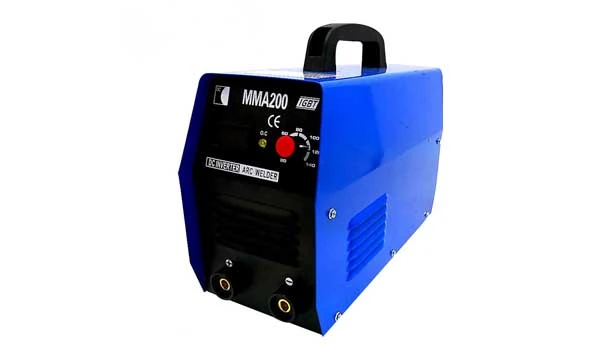
Minghua MMA 200 is one example of a compact MMA/SMAW inverter welding machine.
Minghua MMA / SMAW Welding Machine Options
Minghua's Stick Welder MMA ARC Welding Machine (SMAW) category includes compact workshop machines and higher-output industrial models. Buyers should compare each product's actual specification rather than choosing by model number alone.
MMA 250S
A portable MMA/SMAW inverter model with 220V and 380V configurations and a wider published current range than the current MMA 200 specification.
View MMA 250S Welding Machine → ZX7-400 / ZX7-500 / ZX7-630
Three-phase industrial MMA/SMAW machines designed for substantially higher-current and higher-duty-cycle welding workloads.
View ZX7 Industrial MMA Welders → 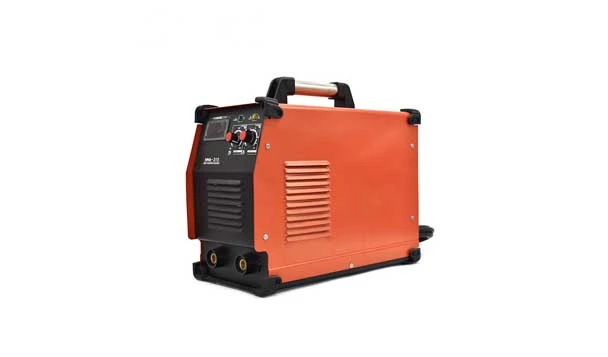
The MMA 250S is another MMA/SMAW inverter option for workshop, maintenance and fabrication users.
FAQ About MMA vs SMAW Welding
1. Is MMA welding the same as SMAW?
Yes. Manual Metal Arc welding (MMA) and Shielded Metal Arc Welding (SMAW) are commonly used names for the same process. Stick welding is another widely used name.
2. What does MMA mean in welding?
MMA stands for Manual Metal Arc welding. It uses a flux-coated consumable electrode to establish an electric arc with the workpiece.
3. What does SMAW stand for?
SMAW stands for Shielded Metal Arc Welding. The term highlights the protection created by the electrode's flux coating during welding.
4. Is stick welding the same as MMA welding?
Yes. Stick welding is the common practical name for MMA/SMAW welding because the process uses individual coated stick electrodes.
5. Does MMA / SMAW welding require shielding gas?
Normally no external shielding-gas cylinder is required. The flux coating on the electrode generates shielding gases and slag that help protect the molten weld pool.
6. Can MMA welding machines use AC and DC?
MMA/SMAW may use AC or DC depending on the machine and electrode. The required polarity and current type should always be checked against the electrode manufacturer's data and welding procedure.
7. Which electrodes are commonly used for SMAW?
Common examples include E6010, E6011, E6013, E7016 and E7018, although the correct classification depends on the base material, strength, polarity, position, hydrogen requirements and welding procedure.
8. How should I choose an MMA / SMAW welding machine?
Compare the required input voltage, actual output-current range, duty cycle, electrode requirements, portability and expected workload. Do not assume that a higher model number automatically means a better machine for the application.
Find the Right MMA / SMAW Welding Machine
Whether you need a portable MMA welder for workshop maintenance or a higher-output SMAW machine for industrial fabrication, machine selection should begin with the actual electrical, output and duty-cycle requirements of your application.
View MMA / SMAW Welders
Contact Minghua